
That Was the Week That Was - 3rd May 2025

Geopolitical & Defence Briefing: 26 April – 2 May 2025
1. Introduction
This past week, the global stage resembled a high-stakes chessboard, with nations making strategic moves that could redefine international relations. From escalating tensions in South Asia to significant advancements in military technology, the world watched as events unfolded with both anticipation and apprehension.
2. Top Geopolitical & Defence Events of the Week
NATO Considers Two-Tier Defence Spending
NATO Secretary General Mark Rutte has proposed a two-tier defence spending framework in response to former U.S. President Donald Trump’s call for alliance members to allocate 5% of GDP to defence. This approach suggests increasing direct military spending to 3.5% of GDP and dedicating an additional 1.5% to broader security-related expenditures, such as infrastructure projects that support military operations.
The proposal aims to balance the U.S. demand for increased defence spending with the economic and political constraints faced by European and Canadian allies. By including investments in infrastructure—like roads and bridges that facilitate military transport—within the broader security spending category, NATO members can contribute to collective defence efforts without solely focusing on traditional military expenditures.
While this plan has not been formally confirmed, it reflects ongoing discussions within NATO about redefining defence spending to encompass a wider range of security-related investments. This approach could allow for a more comprehensive assessment of member contributions, acknowledging efforts beyond direct military budgets.
The upcoming NATO summit in The Hague in June 2025 is expected to address this proposal, among other topics related to the alliance’s future direction and defence capabilities.
India–Pakistan Tensions Escalate
Following the devastating terrorist attack in Pahalgam, Jammu and Kashmir, which claimed 26 lives, India has intensified its stance against Pakistan. Accusing Pakistan-based groups of orchestrating the attack, India has suspended the Indus Waters Treaty, expelled diplomats, and closed key border crossings. In retaliation, Pakistan has suspended visas for Indians, closed its airspace to Indian aircraft, and expelled Indian diplomats, leading to heightened tensions between the nuclear-armed neighbours.
UK Unveils StormShroud Drones
The UK has introduced the StormShroud air system, a groundbreaking drone equipped with the BriteStorm signal jammer designed to disrupt enemy radar and protect British and European security. Prime Minister Sir Keir Starmer emphasized the importance of the new technology in countering threats, particularly from Russia, drawing on lessons from the war in Ukraine. These drones, developed by Tekever and defense contractor Leonardo, operate autonomously and will fly ahead of RAF F-35s and Typhoons to mask their approach to targets. An initial fleet of 24 drones will be deployed, with a £19 million investment from the RAF and a further £400 million from Tekever to boost UK defense capabilities and create jobs.
Ireland to Launch First Military Radar System
Ireland is set to launch its first military radar system beginning in 2026, with full implementation projected for 2028. This advanced system will allow the country to detect hostile, surveillance, and hijacked aircraft, including those with transponders turned off or those designed to avoid detection. Defence Minister Simon Harris will present details of the initiative to the Cabinet, noting its importance in ensuring state airspace awareness and deterrence.
3. How These Events Connect (or Don’t)
The escalation between India and Pakistan underscores the fragile nature of regional security and the potential for localized conflicts to have broader implications. The UK’s introduction of advanced drone technology and NATO’s consideration of increased defense spending reflect a broader trend among Western nations to bolster military capabilities in response to perceived threats. Ireland’s move to establish a military radar system indicates a shift towards greater self-reliance in national defense.
4. Predictions for the Month Ahead
- South Asia: Expect continued diplomatic strain between India and Pakistan, with potential for further military posturing. International mediation efforts may intensify to prevent escalation.
- Europe: NATO members will likely engage in detailed discussions regarding the proposed two-tier defense spending model, balancing national budgets with collective security commitments.
- UK Defence: The deployment of StormShroud drones may prompt other nations to accelerate their own drone and electronic warfare programs, potentially leading to a new era of aerial defense strategies.
- Ireland: The initiation of the military radar system project may lead to increased defense collaborations with neighboring countries and a reevaluation of Ireland’s traditionally neutral stance.
Fun Fact of the Week
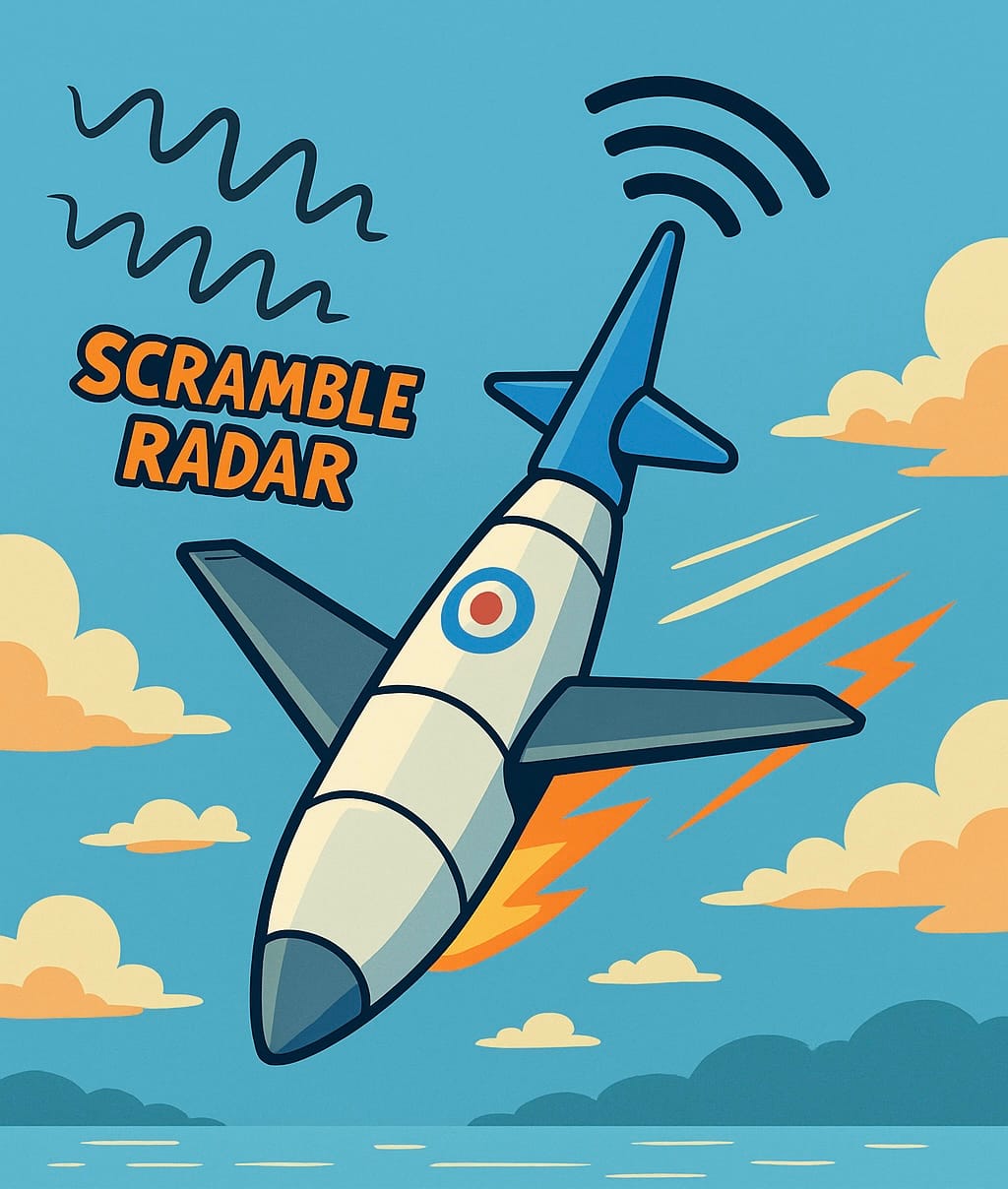
The UK’s newly unveiled StormShroud drone—designed to scramble enemy radar—reportedly costs less to operate per mission than the average London commuter spends on their Pret subscription. It flies ahead of Typhoons and F-35s, jamming signals and dodging missiles, all while looking suspiciously like the unholy offspring of a lawn dart and a Wi-Fi router. One RAF technician was overheard saying, “It’s like sending a flying kettle to mess up your enemy’s telly reception — but with rather more bite.”
End of Report