
That Was the Week That Was - 5th April 2025
Bingo!
29th March – 4th April 2025
Introduction
Good afternoon, esteemed readers. As we bid farewell to a week replete with geopolitical manoeuvres and defence recalibrations, it’s evident that the international stage remains as unpredictable as ever. From Europe’s evolving defence strategies to escalating trade tensions and the ever-complex dance of diplomacy, let’s delve into the events that have shaped our world this past week.
Top Geopolitical & Defence Events of the Week
1. Germany’s Foray into Loitering Munitions
In a notable shift, Germany has decided to acquire loitering munitions—colloquially known as “exploding drones”—marking its first venture into this realm. Historically hesitant due to ethical considerations, this move underscores Germany’s response to the changing nature of modern warfare, as evidenced by recent conflicts.
2. Ukraine’s Ceasefire Prospects Amid Western Pressure
President Volodymyr Zelensky indicated that a ceasefire with Russia could be attainable within weeks, contingent upon intensified Western pressure on Moscow. While Ukraine has signalled readiness for an unconditional ceasefire, Russia’s stipulations, including the lifting of sanctions on key companies, present formidable hurdles.
3. Tariff Tensions: U.S. and China Exchange Blows
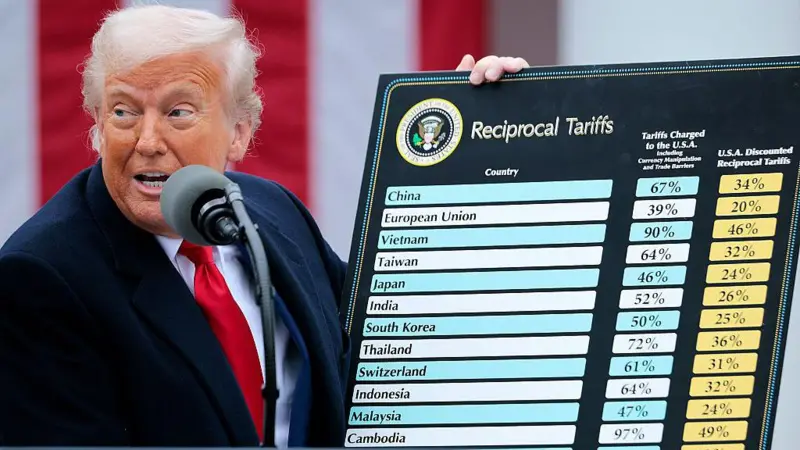
The U.S. unveiled sweeping “reciprocal” tariffs, encompassing a universal 10% levy on all imports and heightened duties targeting specific nations. China responded robustly with 34% tariffs on U.S. goods. The resultant market turmoil saw significant declines across major indices, stoking fears of a looming global recession.
4. NATO’s Internal Discord Over U.S. Tariffs
NATO Secretary-General Mark Rutte addressed concerns regarding the U.S.‘s recent tariff implementations, asserting that such trade disagreements, while contentious, do not contravene NATO’s economic cooperation commitments. Nonetheless, murmurs of discontent persist among European allies.
5. Denmark’s Diplomatic Overture to Greenland
Amid heightened U.S. interest in Greenland, Danish Prime Minister Mette Frederiksen visited the territory to engage with its new government. The visit underscores Denmark’s intent to reinforce ties and address external pressures on the strategically significant island.
How These Events Connect (or Don’t)
The week’s developments paint a tapestry of interconnected challenges. Europe’s bolstering of defence capabilities, exemplified by Germany’s drone acquisition, reflects a continent responding to both immediate threats and the unpredictability of alliances. Concurrently, the U.S.-China tariff skirmish introduces economic volatility that could strain international partnerships, including those within NATO. Denmark’s proactive engagement with Greenland highlights the nuanced diplomacy required to navigate overlapping interests in geopolitically strategic regions.
Predictions for the Month Ahead
- Escalation of Trade Disputes: The tit-for-tat tariff exchanges between major economies are likely to intensify, with potential spillover effects into other sectors, including technology and defence industries.
- NATO’s Strategic Reassessments: Internal debates within NATO may gain momentum as member states evaluate the implications of U.S. economic policies on collective security commitments.
- Increased Focus on Arctic Geopolitics: Greenland may find itself at the centre of geopolitical manoeuvring, with both U.S. and European actors seeking to assert influence in the Arctic region.
Fun Fact of the Week
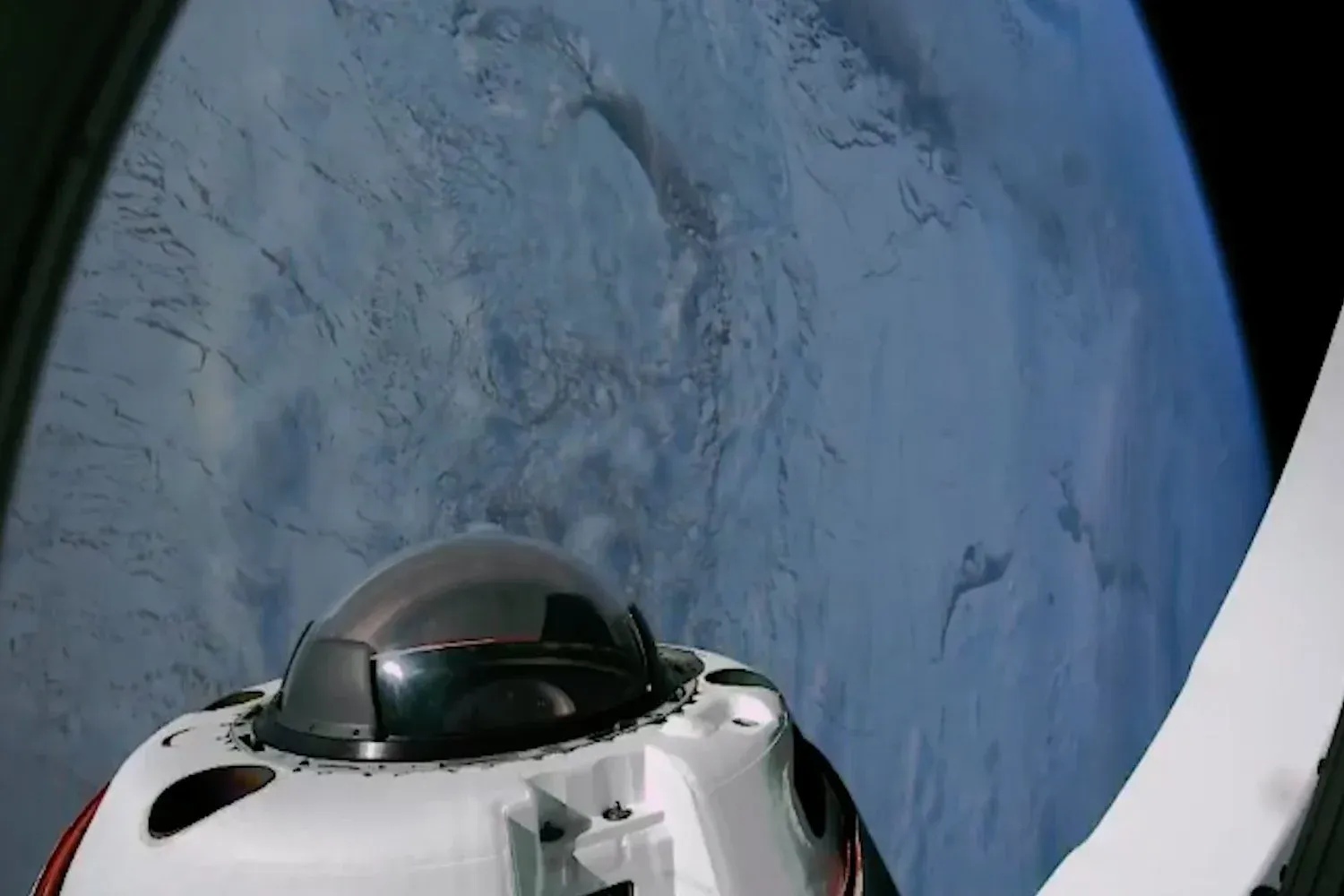
Amidst the cacophony of global events, a lighter note emerges from the world of space exploration. On April 1st, the Fram2 mission became the first crewed spaceflight to enter a polar retrograde orbit, offering astronauts a unique view over Earth’s poles. A cosmic reminder that, while terrestrial affairs remain tumultuous, humanity’s quest for knowledge knows no bounds.
End of Report