That Was the Week That Was - 29th March 2025
Week Ending 29th March 2025
Introduction
Another week, another round of geopolitical chess—though in some cases, it’s more like a pub brawl with fancier uniforms. From fresh tensions in the Indo-Pacific to European security dilemmas and the ever-present Middle Eastern tightrope, the past seven days have been anything but dull. And, of course, we can’t ignore the bombshell of the week—‘Signalgate’—which has sent intelligence communities and governments into a frenzy. Let’s break it all down.
Top Geopolitical & Defence Events of the Week
- Signalgate: A Devastating Breach of Secure Communications
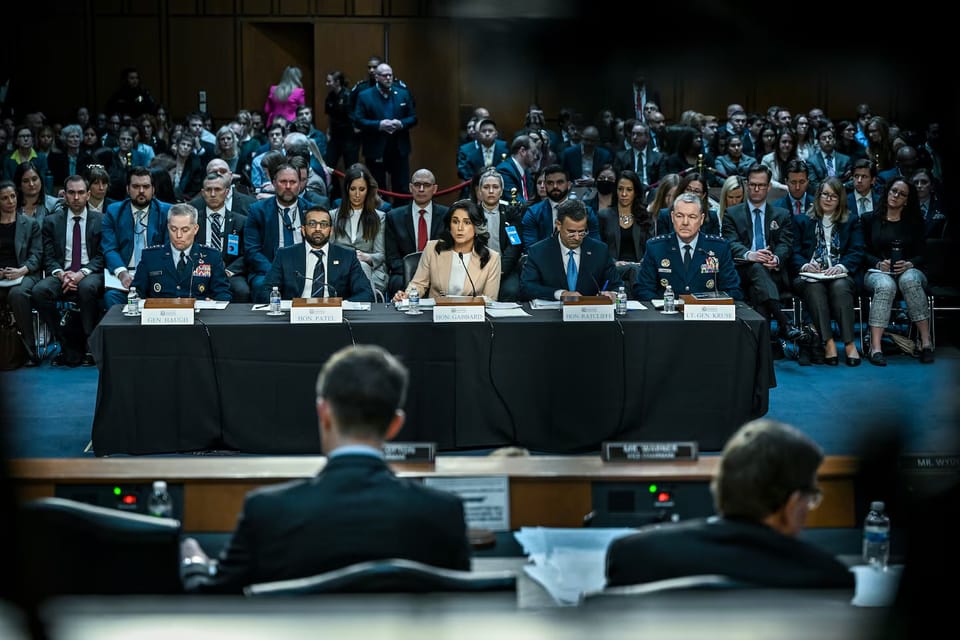
This week, the world learned of ‘Signalgate’—a large-scale cyber breach that compromised the encrypted communications of the leaders of multiple US government and defence organisations. Contrary to early speculation, this was not a careless leak, but rather a deliberate mis-direction of real-time military and diplomatic communications. The breach appears to have targeted the publicly available Signal messaging system which has been used for some time by the US Administration for classified discussions, potentially exposing operational plans, intelligence assessments, and strategic directives to unknown adversaries. The implications are profound—compromised battlefield tactics, diplomatic negotiations laid bare, and the real possibility that an adversarial state now possesses a trove of sensitive data. The hunt for the perpetrators is underway, with fingers pointing towards state-sponsored cyber actors, but as yet, no one has publicly taken responsibility.
- China and the Philippines Lock Horns in the South China Sea
A new flare-up in the disputed waters saw Chinese coast guard vessels engage in aggressive manoeuvres against Philippine resupply missions. Manila lodged yet another diplomatic protest, while Washington reaffirmed its commitment to the US-Philippines defence pact. The Indo-Pacific remains a powder keg.
- Russia Expands Military Presence in Kaliningrad
Moscow announced the deployment of additional missile systems in its heavily fortified Baltic enclave, citing NATO’s increasing military activity in Eastern Europe. The message to the West is clear: Russia has no intention of backing down, even as economic pressures mount.
- US and UK Ramp Up Defence Cooperation
In a show of transatlantic solidarity, London and Washington unveiled an expanded security partnership, focusing on AI-driven warfare, hypersonic missile defence, and enhanced intelligence sharing. The timing, of course, is no coincidence, given rising global tensions.
- Israel Strikes Targets in Syria Amid Rising Iran Tensions
Israeli warplanes carried out airstrikes on suspected Iranian military installations in Syria. Tehran condemned the attack, vowing retaliation. With the region already on edge, the risk of broader escalation is ever-present.
- Germany Announces Major Defence Spending Boost
Berlin unveiled plans to significantly increase defence spending, pledging to meet NATO’s 2% GDP target. The move underscores Europe’s growing recognition that security can no longer be outsourced to the United States alone.
How These Events Connect (or Don’t)
This week’s defining theme is information warfare. ‘Signalgate’ has exposed a glaring vulnerability in secure communications, sending shockwaves through defence communities. Unlike past cyber breaches that focused on exfiltrating stored data, this incident involved real-time interception of sensitive discussions—suggesting a highly sophisticated adversary at work. Its timing, in the midst of rising tensions in the South China Sea, Russian military posturing, and NATO’s push for stronger defence commitments, suggests that adversaries are actively seeking to disrupt and exploit the strategic landscape.
Meanwhile, traditional deterrence continues to dominate—whether it’s China’s maritime aggression, Russia’s Baltic militarisation, or Western nations reinforcing their alliances. The common thread? A global power struggle increasingly shaped by cyber capabilities as much as conventional military force.
Predictions for the Month Ahead
- Fallout from ‘Signalgate’ Will Escalate: Expect high-level diplomatic meetings, intelligence-sharing reforms, and possibly retaliatory cyber operations in response to the breach.
- Increased Tensions in the Indo-Pacific: Further stand-offs between China and its regional adversaries are likely, particularly as the US steps up naval patrols in contested waters.
- Energy Blackmail from Moscow: With new Western sanctions biting, Russia may retaliate through strategic energy supply disruptions to Europe.
- Middle East Flashpoint: Israeli-Iranian hostilities could intensify, especially if proxy conflicts in Syria and Lebanon escalate.
- European Military Realignments: More NATO states may announce defence spending hikes, spurred by the shifting security landscape.
Fun Fact of the Week

In a surprising nod to old-school naval warfare, reports emerged that the Royal Navy is considering bringing back trained sea lions for underwater surveillance missions. If the idea of military-trained sea lions sounds absurd—well, just remember that during the Cold War, both the US and Soviet Union had similar programmes. Apparently, dolphins aren’t the only ones with a classified military career.
The world remains as turbulent as ever, but at least we can count on one thing: the next week will be just as eventful. Until then, keep your wits about you.
End of Report