That Was the Week That Was - 15th March 2025
Week Ending 15th March 2025
Introduction
As the vernal equinox approaches, bringing with it the promise of longer days and perhaps a fleeting glimpse of sunshine, the geopolitical arena remains as tumultuous as ever. This past week has seen a flurry of activity, from high-stakes diplomacy to economic brinkmanship, all underscored by the ever-present hum of military manoeuvres. Let's navigate through the week's most pivotal events with the precision of a seasoned diplomat and perhaps a touch of British understatement.
Top Geopolitical & Defence Events of the Week
- European Leaders Rally Support for Ukraine
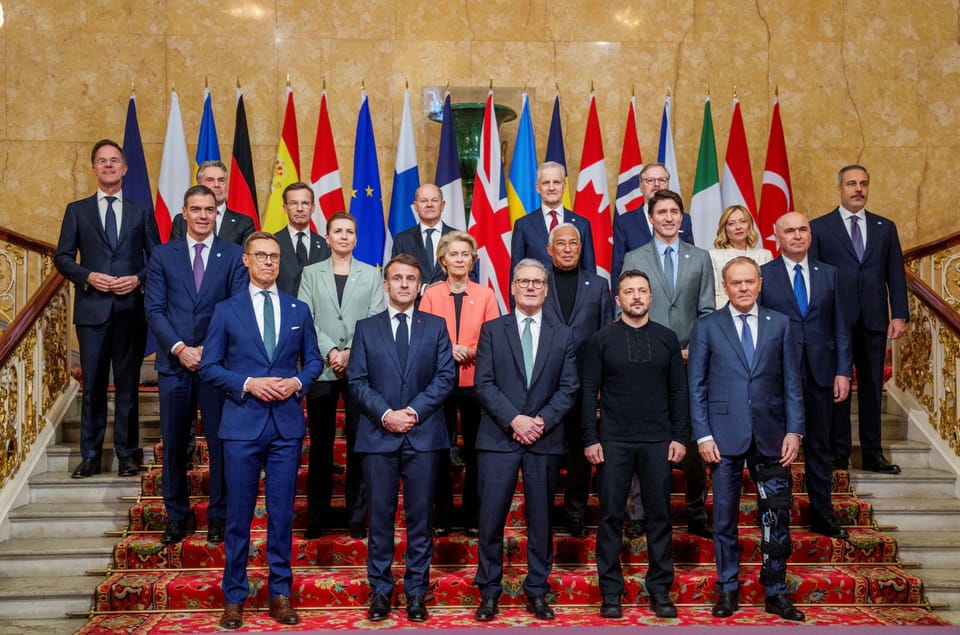
On 15th March, UK Prime Minister Keir Starmer hosted a call with counterparts from across Europe, alongside leaders from NATO, the EU, Canada, Australia, and New Zealand. The unified front underscored unwavering commitment to Ukraine amidst ongoing conflict, welcoming recent peace negotiations in Jeddah and urging Russia to agree to an immediate and unconditional ceasefire. The leaders also discussed long-term security arrangements for Ukraine, emphasising the need for robust and credible guarantees to deter future aggression.
- European Defence Ministers Convene in Paris
On 12th March, Defence Ministers from France, Germany, Italy, Poland, and the United Kingdom gathered in Paris to address Europe's evolving security landscape. The meeting highlighted a collective resolve to support Ukraine and enhance European defence capabilities within NATO and EU frameworks. Key topics included accelerating defence industrial cooperation with Ukraine and establishing security guarantees for a lasting peace.
- US Imposes 'Liberation Day' Tariffs
President Donald Trump announced the imposition of secondary tariffs, dubbed 'Liberation Day' levies, targeting imports such as aluminium, steel, cars, and fentanyl. This move has sent ripples through global markets, with nations bracing for economic repercussions and contemplating retaliatory measures.
- UK Awards £1bn Defence Contract to Babcock
The UK Ministry of Defence extended a five-year contract worth approximately £1 billion to Babcock International for the development and maintenance of tanks, armoured vehicles, and other equipment for the British Army. This decision reflects the UK's commitment to bolstering its defence capabilities amidst rising geopolitical tensions.
- US Airstrikes in Yemen
In response to escalating tensions in the Red Sea, President Trump ordered a series of airstrikes against Houthi-controlled areas in Yemen, resulting in significant casualties. This action underscores the administration's intent to counter perceived threats to maritime security in the region.
How These Events Connect (or Don’t)
The week's developments paint a complex tapestry of alliances, economic strategies, and military actions. European nations are demonstrating a concerted effort to assert their role in regional security, both through diplomatic channels and tangible defence investments. The UK's substantial contract with Babcock not only strengthens its own military capabilities but also signals to allies and adversaries alike a readiness to invest in defence infrastructure.
Conversely, the US's 'Liberation Day' tariffs introduce economic variables that could strain international relations, potentially impacting collaborative defence initiatives. The simultaneous military engagement in Yemen highlights the multifaceted approach of the US administration, balancing economic policies with assertive defence postures.
Predictions for the Month Ahead
- Intensified Diplomatic Efforts for Ukraine: Anticipate continued high-level engagements aimed at solidifying peace agreements and establishing security guarantees for Ukraine. The success of these efforts will hinge on Russia's responsiveness and the cohesion of international partners.
- Economic Retaliation and Market Volatility: In response to the US tariffs, affected nations may implement countermeasures, leading to fluctuations in global markets. Industries directly impacted by the tariffs should brace for potential disruptions.
- Enhanced European Defence Initiatives: Following the Paris meeting, expect announcements detailing collaborative defence projects and increased funding aimed at reducing Europe's reliance on external military support.
- Escalation in the Middle East: The US airstrikes in Yemen may provoke retaliatory actions from Houthi forces, potentially leading to increased instability in the region and impacting global shipping routes through the Red Sea.
Fun Fact of the Week

Amidst the geopolitical turbulence, a celestial event provided a moment of wonder—a partial solar eclipse graced the skies on 15th March, visible across parts of Europe and the Middle East. While world leaders deliberated over terrestrial concerns, the cosmos offered a gentle reminder of the grandeur beyond our earthly disputes.
As we navigate these intricate times, let's remain vigilant, informed, and perhaps occasionally look upwards—to the stars—for perspective.
End of Report