
That Was the Week That Was - 26th April 2025
19th – 25th April 2025
Introduction
If geopolitics were a symphony, this week played in a minor key—discordant, tense, and with the occasional cymbal crash to jolt us awake. From the Himalayas to the Indo-Pacific, the global stage saw a flurry of manoeuvres, some strategic, others reactionary, but all underscoring the precarious balance of power in our times. Let’s delve into the week’s most consequential developments.
Top Geopolitical & Defence Events of the Week
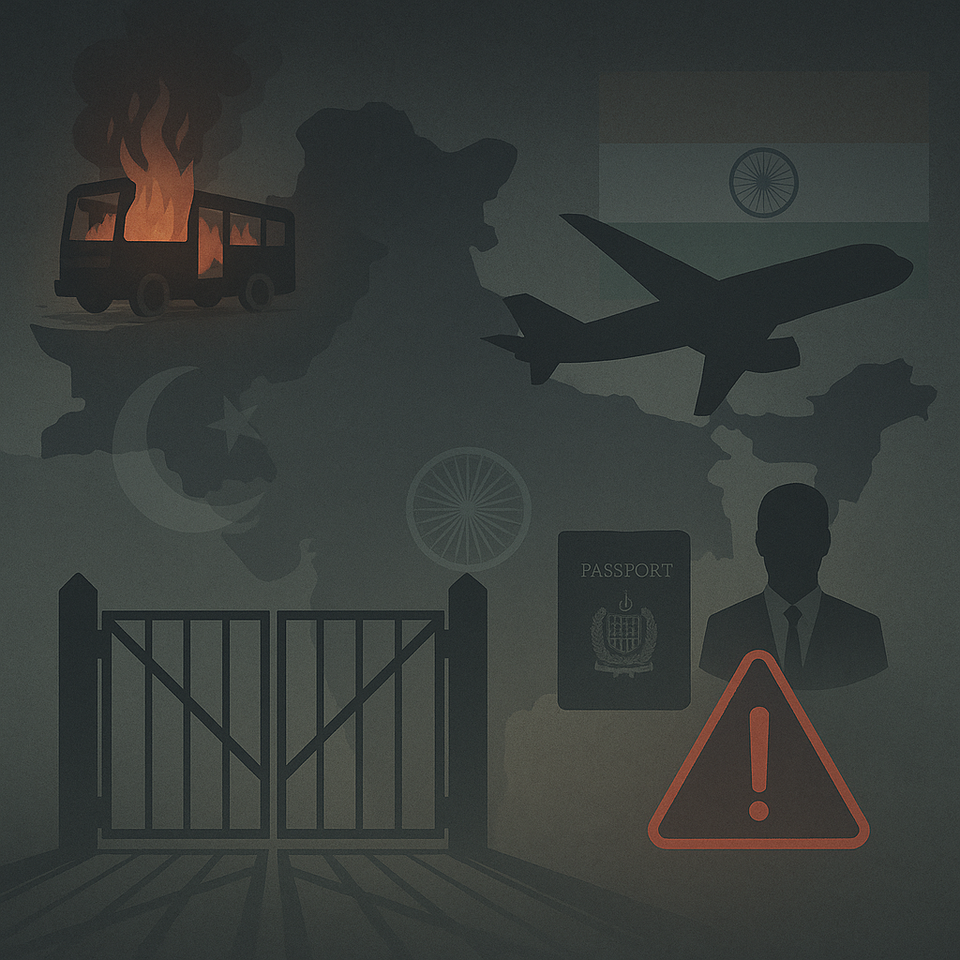
1. India–Pakistan Relations Deteriorate Post-Pahalgam Attack
A terrorist attack in Pahalgam, Jammu and Kashmir, claimed 26 lives, marking the deadliest such incident since 2008. India attributed the attack to Pakistan-based groups, leading to the suspension of the Indus Waters Treaty, expulsion of diplomats, and closure of key border crossings. Pakistan responded by suspending visas for Indians, closing its airspace to Indian aircraft, and expelling Indian diplomats, escalating tensions between the nuclear-armed neighbours.
2. UK Reassesses Military Support Strategy for Ukraine
Britain is expected to abandon plans to deploy thousands of ground troops to Ukraine, citing high risks and inadequate force size. The revised approach focuses on supporting Ukraine through air and maritime protection, military training, and continued arms supplies, rather than direct ground involvement. This shift aims to encourage Russia to soften its stance toward securing a peace agreement.
3. UK and EU Move Towards Defence Pact Amid Trump’s Return
The UK defence industry is poised for a boost as it moves toward a new defence and security pact with the EU, expected to be announced on May 19. This agreement could enable UK companies to access EU procurement funds, including €150bn in loans under the Security Action For Europe (SAFE) project. The revitalized collaboration comes in response to rising geopolitical tensions, notably the re-election of US President Donald Trump and his stance on EU defence spending.
4. Australia Commits to Defence Spending Increase
The Coalition, under Peter Dutton’s leadership, has unveiled a detailed defence and national security policy focused on bolstering Australia’s strike and counter-strike capabilities. A key promise includes adding $21 billion more to defence spending than Labor over five years, funded by repealing Labor’s income tax cuts. The plan aims to increase defence spending from 2% to 2.5% of GDP by 2030, reaching 3% by 2035.
5. UK Enhances Domestic Explosives Production
Britain is significantly expanding its domestic production of explosives, particularly RDX used in 155mm artillery shells, to reduce reliance on the United States and France and enhance national security. BAE Systems will establish multiple production sites to create a more resilient and decentralized manufacturing network. This move follows concerns about the U.S. being an unreliable defence partner, especially under President Trump’s administration.
How These Events Connect (or Don’t)
The week’s developments underscore a global trend towards strategic autonomy and reassessment of traditional alliances. India and Pakistan’s escalating tensions highlight the fragility of regional stability in South Asia. The UK’s recalibration of its support for Ukraine and its move towards a defence pact with the EU reflect a desire to strengthen European security frameworks amid uncertainties about U.S. commitments. Australia’s defence spending surge and the UK’s push for domestic explosives production indicate a broader shift towards self-reliance in defence capabilities.
Predictions for the Month Ahead
- Heightened India-Pakistan Tensions: Expect continued diplomatic and military posturing between India and Pakistan, with potential for further skirmishes along the Line of Control.
- UK-EU Defence Collaboration: The anticipated defence pact between the UK and EU may lead to increased joint military projects and a more integrated European defence strategy.
- Australia’s Defence Policy in Focus: Australia’s proposed defence spending increase will likely become a central issue in the upcoming federal election, influencing both domestic politics and regional security dynamics.
- Supply Chain Resilience Efforts: Nations may continue to bolster domestic production of critical defence components, aiming to reduce dependency on potentially unreliable international partners.
Fun Fact of the Week
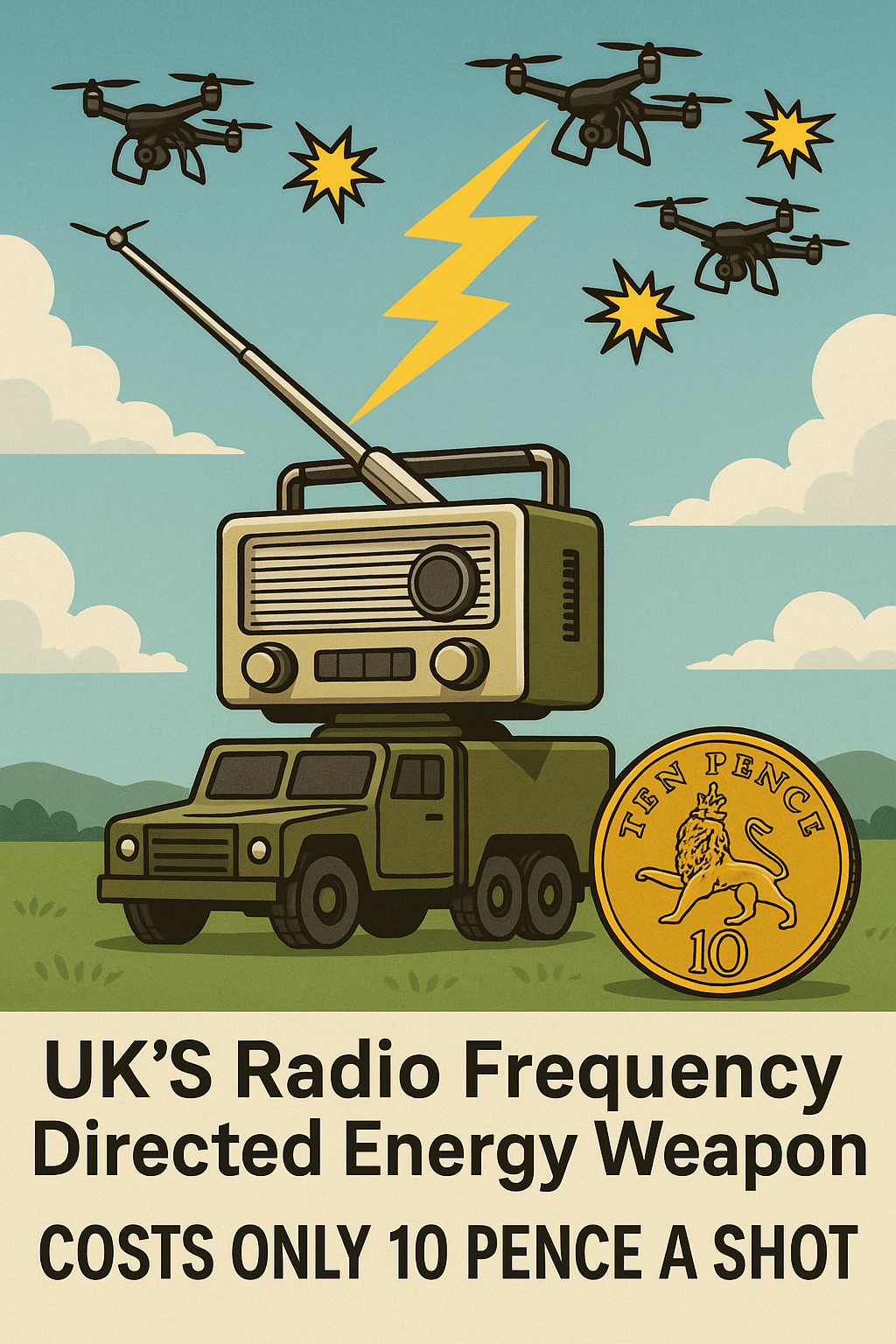
The UK’s Radio Frequency Directed Energy Weapon (RFDEW), developed as part of Project Ealing, was successfully field-tested in April 2025, downing two drone swarms in a single engagement. This innovative system uses radio waves to disrupt or damage critical electronic components of UAVs, offering a cost-effective alternative to traditional missile-based systems. At an estimated cost of 10 pence per shot, it’s a budget-friendly solution in modern warfare.