
That Was the Week That Was - 19th April 2025
12th – 18th April 2025
Introduction
If geopolitics were a stage play, this week would have featured a dramatic crescendo. The U.S. and China continued their economic sparring, Southeast Asia found itself courted by Beijing, and nations reassessed their defence postures amidst the unfolding global narrative. Let’s delve into the key developments that have shaped this week’s geopolitical and defence landscape.
Top Geopolitical & Defence Events of the Week
1. U.S.-China Trade Tensions Intensify
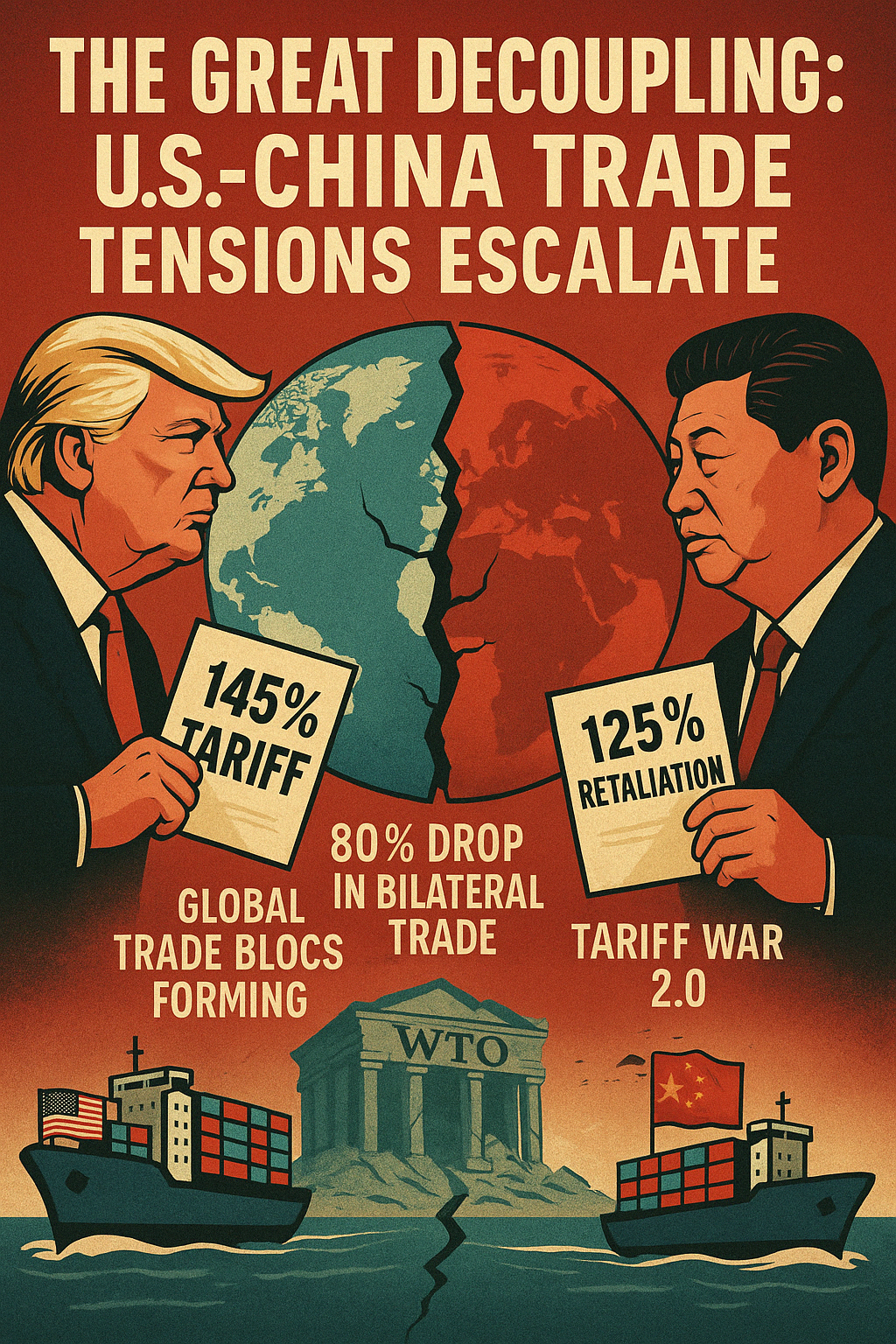
The trade dispute between the United States and China escalated further. President Trump imposed a 145% tariff on Chinese imports, prompting Beijing to retaliate with 125% tariffs on U.S. goods. The World Trade Organization now anticipates an 80% decline in U.S.-China merchandise trade this year, signaling a significant shift towards separate global trade blocs .
2. Xi Jinping’s Southeast Asia Diplomatic Tour
In response to mounting U.S. tariffs, Chinese President Xi Jinping embarked on a diplomatic tour of Vietnam, Malaysia, and Cambodia. The visits resulted in numerous bilateral agreements, including 45 with Vietnam and 31 with Malaysia, focusing on infrastructure, technology, and supply chain cooperation. Xi positioned China as a stable partner amid global economic uncertainties .
3. New Zealand’s Defence Budget Boost
New Zealand announced a significant increase in its defence spending, unveiling a NZ$12 billion Defence Capability Plan over the next four years. This initiative aims to modernize the New Zealand Defence Force, addressing previous capability gaps and enhancing its deterrent effect .
4. UK’s Continued Support for Ukraine
The United Kingdom reaffirmed its commitment to Ukraine by announcing a £450 million surge in military support. Defence Secretary John Healey emphasised that 2025 is a critical year in Ukraine’s conflict with Russia, urging allies to expedite military assistance to Kyiv .
How These Events Connect (or Don’t)
The escalating U.S.-China trade tensions have global ramifications, prompting countries like New Zealand to reassess their defence strategies and budgets. China’s outreach to Southeast Asia serves as a countermeasure to U.S. economic pressures, seeking to solidify regional alliances. Meanwhile, the UK’s unwavering support for Ukraine underscores the persistent challenges in Eastern Europe, reminding us that while economic battles rage, traditional conflicts persist.
Predictions for the Month Ahead
- Further Decoupling of U.S.-China Trade: Expect continued divergence in U.S.-China economic relations, with potential impacts on global supply chains and trade alliances.
- Strengthening of Regional Partnerships: China’s diplomatic engagements in Southeast Asia may lead to deeper regional collaborations, potentially reshaping the geopolitical landscape in Asia.
- Increased Defence Investments: Other nations may follow New Zealand’s lead, boosting defence budgets to address emerging global threats and uncertainties.
Fun Fact of the Week
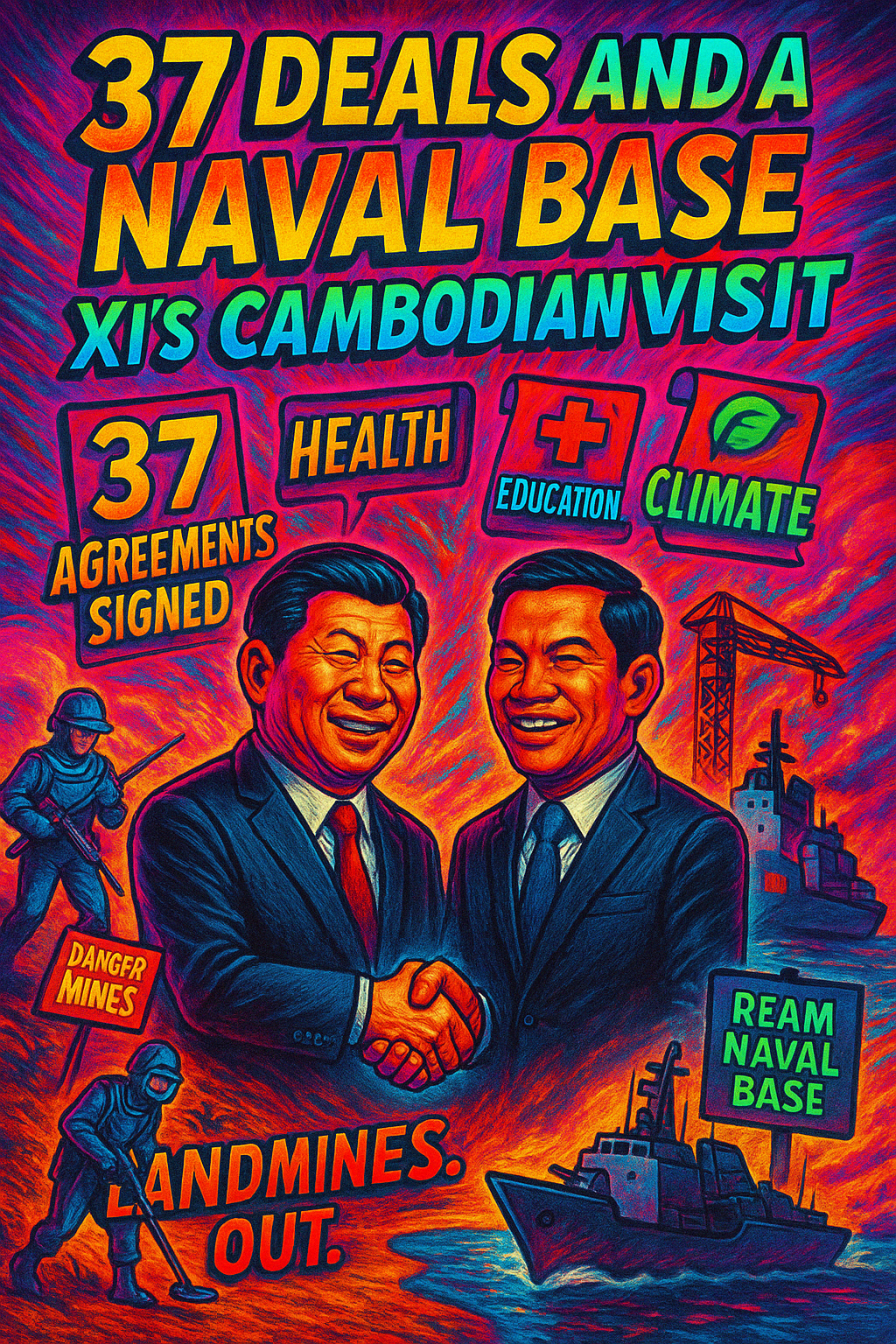
Amidst the serious undertones of global politics, a lighter anecdote emerges: during President Xi’s visit to Cambodia, the two nations signed 37 bilateral agreements across various sectors, including trade, health, education, climate cooperation, and security. Notably, the visit also highlighted China’s assistance with landmine clearance and investment in the Ream Naval Base—a development that has prompted strategic concerns, though both nations deny any foreign military base agreement .
End of Report