
That Was the Week That Was - 12th April 2025
5th April – 11th April 2025
Introduction
In a week where global affairs resembled a high-stakes game of chess—albeit with a few players upending the board—trade wars intensified, defence strategies were recalibrated, and diplomatic overtures took centre stage. Let’s navigate through the intricate tapestry of events that have unfolded over the past seven days.
Top Geopolitical & Defence Events of the Week
1. U.S.-China Trade Tensions Escalate
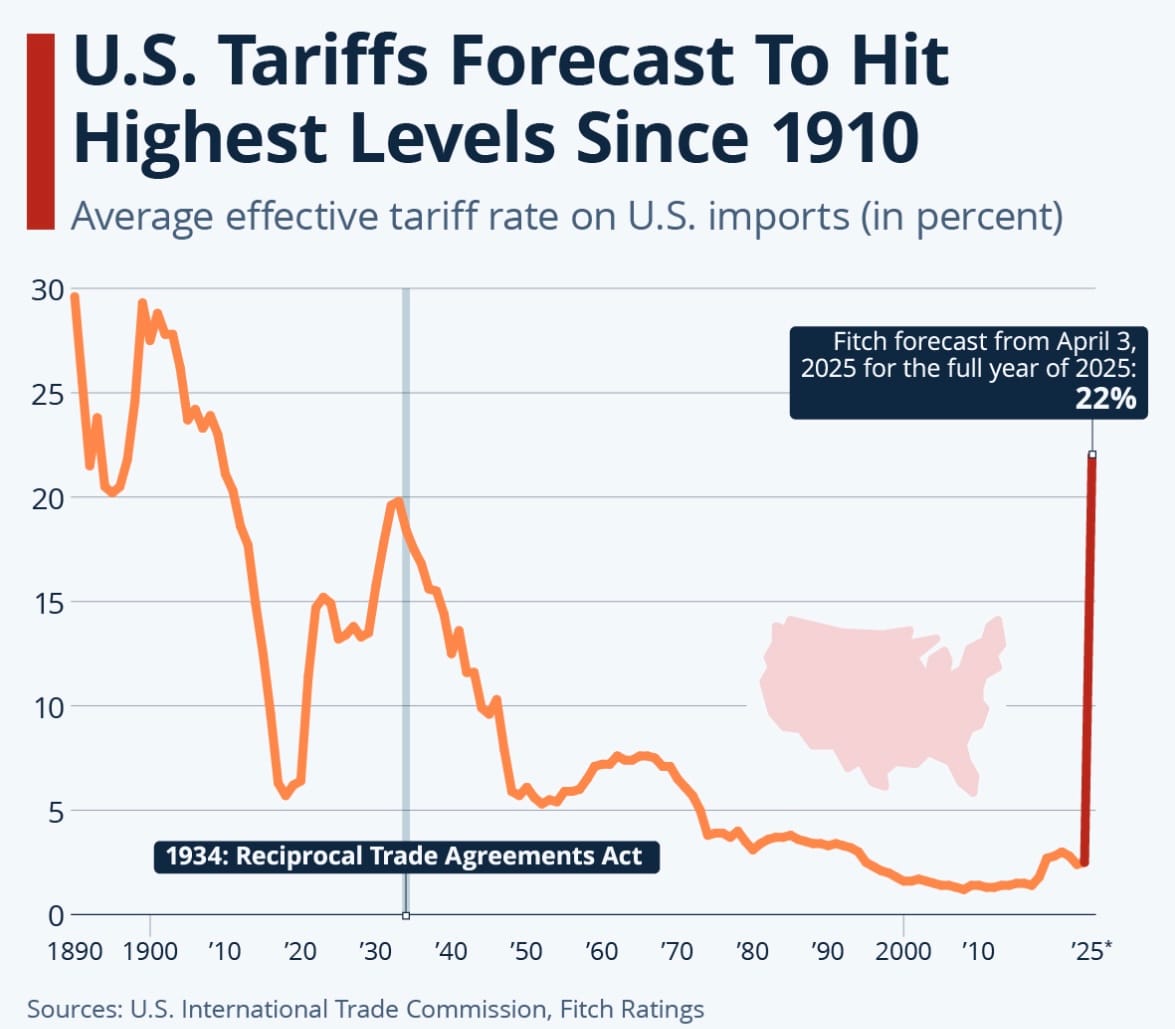
The trade skirmish between the United States and China reached new heights. President Trump imposed a 145% tariff on Chinese imports, prompting Beijing to retaliate with 125% tariffs on U.S. goods. Economists are sounding alarms over potential global economic contractions, with Germany’s export-driven economy teetering on the brink of recession.
2. Xi Jinping’s Southeast Asia Diplomatic Tour
Amid the trade turmoil, Chinese President Xi Jinping announced visits to Vietnam, Malaysia, and Cambodia from April 14-18. This strategic move aims to bolster regional alliances and counterbalance U.S. economic pressures. Notably, China and Vietnam are set to sign approximately 40 agreements, encompassing sectors from infrastructure to potential defence collaborations.
3. New Zealand’s Defence Budget Boost
In a significant policy shift, New Zealand unveiled plans to nearly double its defence spending to 2% of GDP over the next eight years. This NZ$9 billion investment underscores Wellington’s recognition of an increasingly unstable global environment and aims to modernise its military capabilities.
4. UK’s Reaffirmation of Support for Ukraine
UK Defence Secretary John Healey emphasised that 2025 will be pivotal in Ukraine’s conflict with Russia. He urged allies to expedite military assistance to Kyiv, highlighting the UK’s commitment to reinforcing Ukraine’s defence efforts during this critical juncture.
5. Multi-Nation Military Exercise in Southeast Asia
Approximately 800 military personnel from Australia, Malaysia, New Zealand, Singapore, and the United Kingdom commenced joint exercises across the Malay Peninsula. Running from April 7-22, these drills aim to enhance interoperability and readiness against hypothetical threats, reflecting the region’s focus on collective security.
How These Events Connect (or Don’t)
The escalating U.S.-China trade dispute casts a long shadow over global affairs, influencing economic strategies and diplomatic engagements. President Xi’s forthcoming Southeast Asia tour can be seen as a manoeuvre to solidify regional partnerships in response to U.S. pressures. Concurrently, nations like New Zealand are bolstering their defence postures, perhaps anticipating a more volatile geopolitical landscape. The UK’s unwavering support for Ukraine and the collaborative military exercises in Southeast Asia underscore a broader trend: nations are seeking strength in alliances amidst growing uncertainties.
Predictions for the Month Ahead
- Intensification of U.S.-China Economic Frictions: The tit-for-tat tariff exchanges are unlikely to abate, potentially leading to broader economic ramifications and compelling other nations to navigate the fallout carefully.
- Strengthening of Regional Alliances: China’s diplomatic overtures in Southeast Asia may prompt the U.S. and its allies to deepen their engagements in the region, leading to a complex web of partnerships and rivalries.
- Increased Defence Commitments: Following New Zealand’s lead, other nations might announce enhancements to their defence budgets, reflecting a global trend towards military modernisation in uncertain times.
Fun Fact of the Week
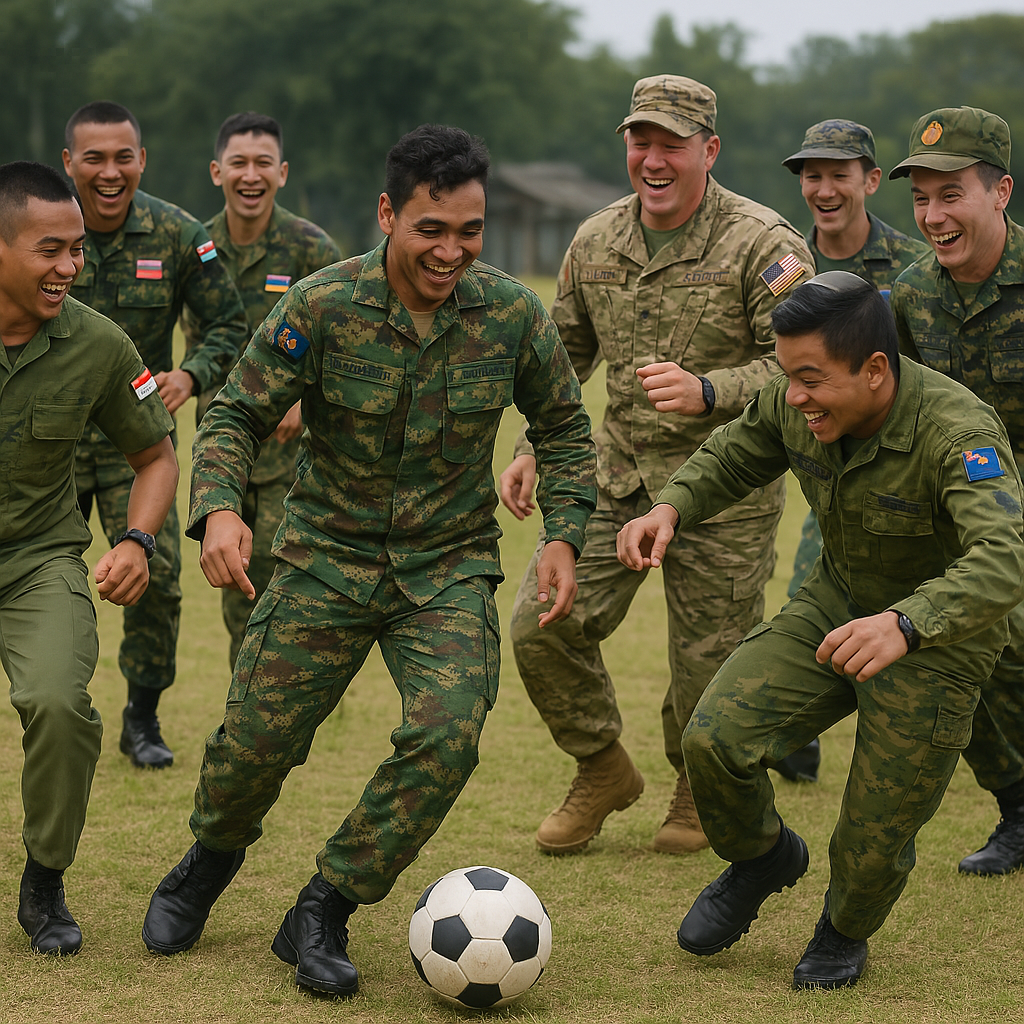
Amidst the serious undertones of global politics, a lighter anecdote emerges: during the multi-nation military exercise in Southeast Asia, a friendly football match between the participating forces ended in a draw. It seems that on the pitch, at least, diplomacy truly reigns supreme.
End of Report