
That Was the Month That Was – April 2025
That Was the Week That Was – Monthly Recap: April 2025
1. Introduction
April 2025 proved that geopolitics, much like British weather, can shift from calm to stormy in a heartbeat. From the Red Sea to the Himalayas, the month unfolded with a series of events that would make even the most seasoned diplomats reach for their umbrellas. Let’s delve into the whirlwind of developments that kept the world on its toes.
2. Top Geopolitical & Defence Events of the Month
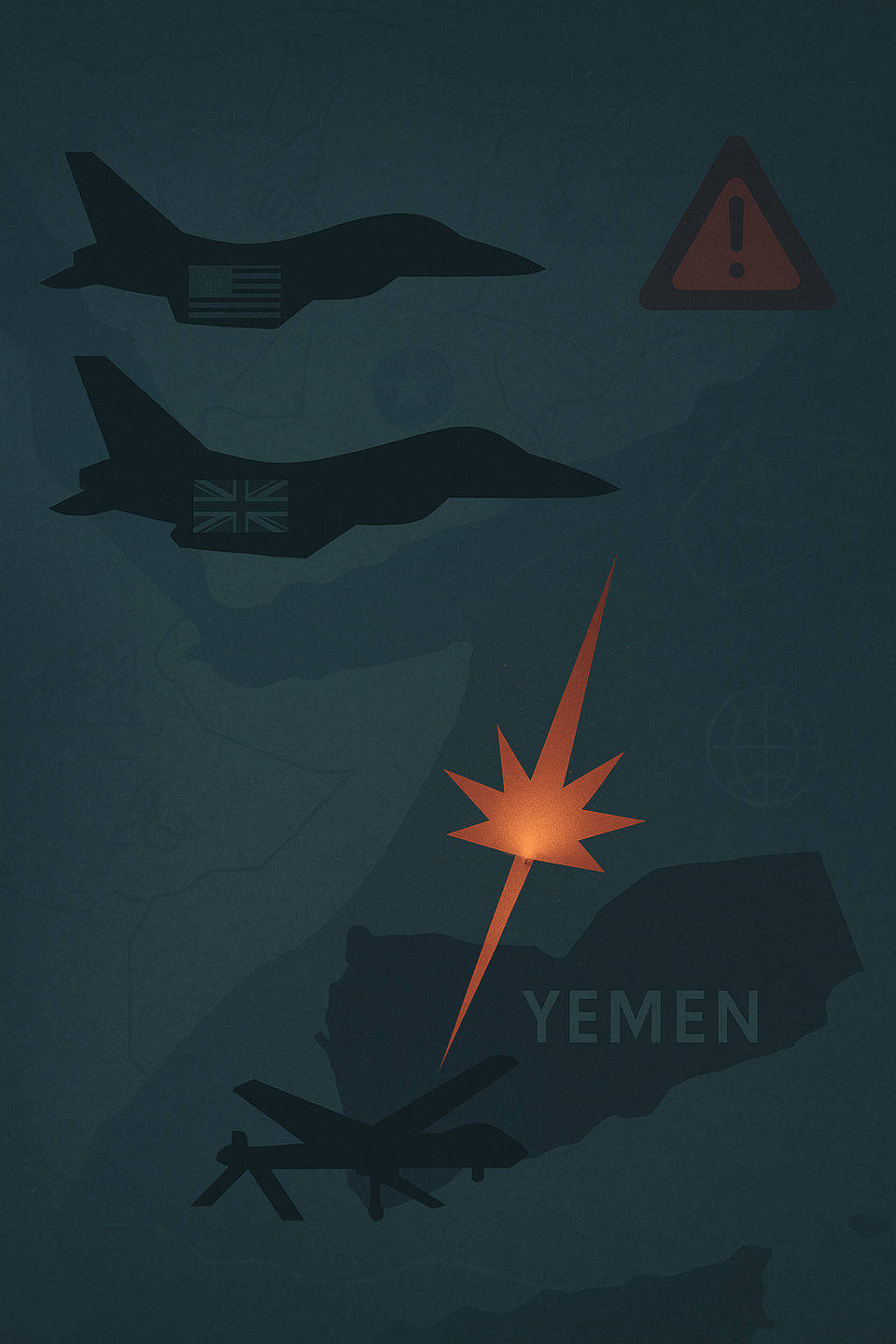
UK and US Conduct Joint Airstrikes on Houthi Targets in Yemen
On April 29, the UK joined the US in launching airstrikes against Houthi rebel facilities in Yemen. The operation targeted drone manufacturing sites near Sanaa, aiming to curb the Houthis’ capacity to disrupt international shipping in the Red Sea and Gulf of Aden. The strikes come amid ongoing Houthi attacks on maritime routes, which have already led to a significant drop in shipping traffic, impacting global trade.
India-Pakistan Tensions Escalate Following Pahalgam Attack
Tensions between India and Pakistan intensified after a terrorist attack in Pahalgam on April 23, which resulted in multiple casualties. India accused Pakistan-based groups of orchestrating the attack, leading to diplomatic expulsions, suspension of visas, and military posturing along the Line of Control. Pakistan denied involvement, warning against any aggressive actions.
Germany Appoints Pro-Defence Finance Minister Amid Budget Surge
Lars Klingbeil was appointed as Germany’s new finance minister, bringing a strong defence background to the role. His appointment coincides with a significant increase in defence spending, including a €500 billion infrastructure fund, marking a shift from Germany’s traditional fiscal conservatism.
Australia Debates Defence Infrastructure Amid Urban Development Plans
The Australian Defence Department raised concerns over the New South Wales government’s proposal to redevelop Glebe Island port for residential use. Defence officials argue that the port is vital for military operations and national security, highlighting the ongoing tension between urban development and strategic infrastructure needs.
New Zealand Establishes Space Squadron Reflecting Growing Importance of Space in Defence
New Zealand announced the formation of its first space squadron, set to commence operations in July 2025. The move underscores the increasing significance of space in national defence strategies and aligns with global trends emphasising space-based security measures.
UK Military Faces Personnel Shortages Amid Recruitment Challenges
The UK’s armed forces are experiencing a net loss of 200-300 personnel monthly, with the British Army being the most affected. Despite efforts to improve recruitment and retention, challenges persist, prompting reviews of medical standards and enhancements in pay and accommodation.
3. How These Events Connect (or Don’t)
The events of April 2025 reveal a world grappling with both traditional and emerging security challenges. The joint UK-US airstrikes in Yemen and the escalating India-Pakistan tensions underscore the persistent threat of regional conflicts spilling over into broader geopolitical concerns. Meanwhile, Germany’s increased defence spending and New Zealand’s venture into space defence reflect a global trend of nations reassessing their security priorities in light of evolving threats.
Australia’s internal debate over the Glebe Island port highlights the complex balance between domestic development and maintaining strategic defence capabilities. Similarly, the UK’s military personnel shortages point to the challenges of sustaining a robust defence force in the modern era.
4. Predictions for the Month Ahead
Looking forward, the situation in the Red Sea is likely to remain volatile, with potential retaliatory actions from Houthi rebels affecting international shipping routes. The India-Pakistan standoff may see further diplomatic strain, though both nations will likely avoid full-scale conflict.
Germany’s budgetary shift could influence other EU nations to reconsider their defence spending, potentially leading to a more unified European defence posture. New Zealand’s focus on space defence may prompt similar initiatives among its regional partners, emphasizing the growing importance of space in national security strategies.
The UK’s efforts to address military personnel shortages will be critical, with potential policy changes aimed at improving recruitment and retention. Australia’s decision on the Glebe Island redevelopment will serve as a bellwether for how nations balance urban development with strategic defence needs.
5. Fun Fact of the Month
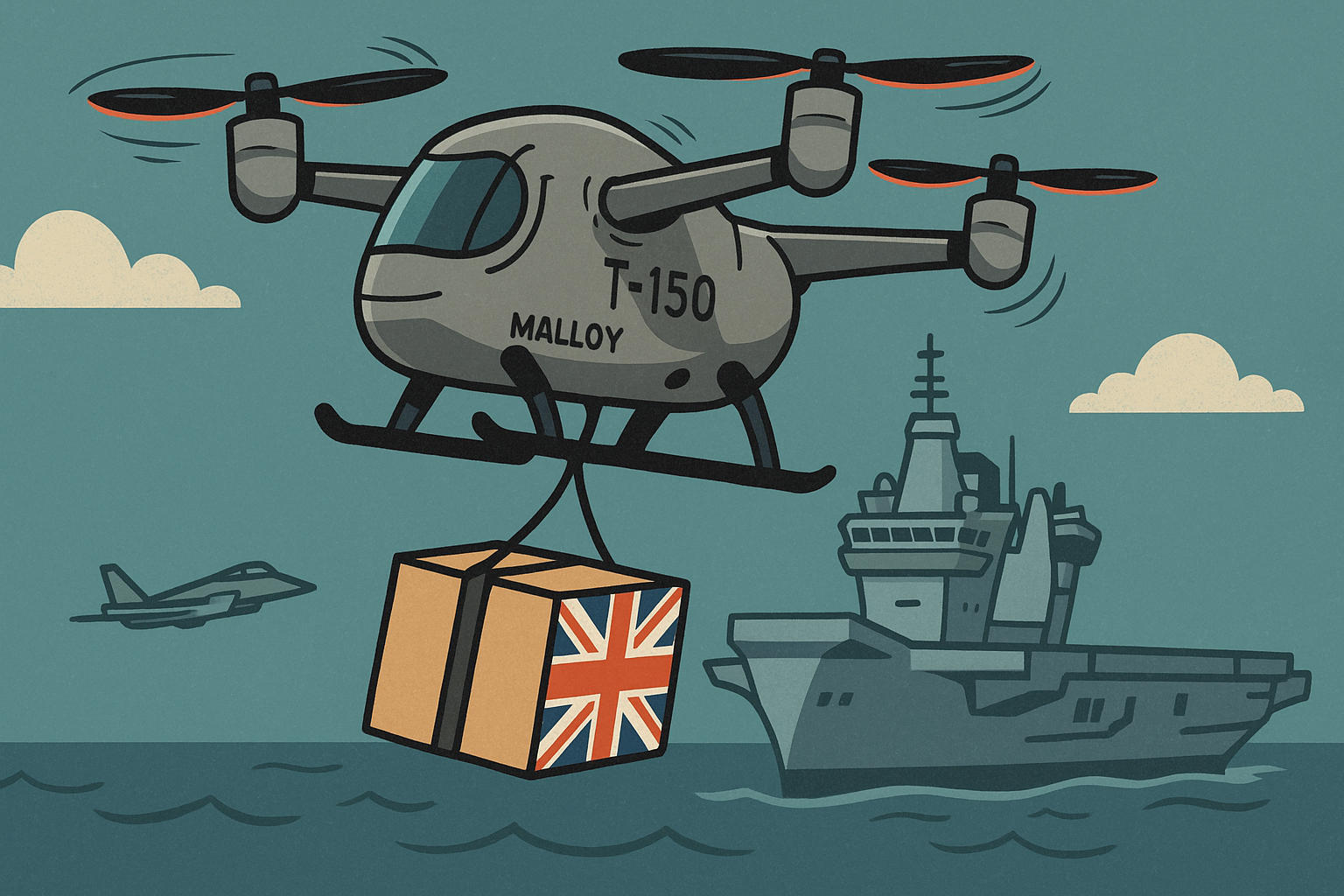
In a move that underscores the evolving nature of defence, the UK’s Carrier Strike Group, deployed under Operation Highmast, is utilising Malloy T150 heavy-lift cargo drones for logistics support. This marks a significant step in integrating unmanned systems into naval operations, highlighting the innovative approaches being adopted in modern military logistics.
End of Report