
That Was the Month That Was - 31st March 2025
Month Ending 31st March 2025
Introduction
March 2025 has proved that geopolitics is as unpredictable as British weather, but with far higher stakes. As tensions rise across the globe, from the Indo-Pacific to Eastern Europe, we’ve witnessed not only familiar flashpoints but also a few new wrinkles in old conflicts. At the same time, a slew of geopolitical and defence developments has unfolded with all the drama and intrigue of a spy thriller. And while we remain glued to the screen, let’s remind ourselves that this is reality, not fiction.
So, what’s been keeping the world’s diplomats and generals busy this month? Well, let’s take a closer look—after all, it’s been an eventful few weeks, and as usual, the devil’s in the details.
Top Geopolitical & Defence Events of the Month
1. The Signalgate Scandal: A New Era of Cyber Intrigue
March saw the revelation of the ‘Signalgate’ scandal, a cyber-attack that compromised real-time secure communications between multiple nations. Rather than a simple data breach, this incident involved the interception of classified messages—messages detailing military strategies, intelligence assessments, and even negotiations between high-level government officials. The attack is being traced back to a state-sponsored actor, and the ramifications are still unfolding. Trust in secure communications has been shattered, and intelligence communities worldwide are recalibrating their strategies. The fear? That adversaries might now possess a vast treasure trove of sensitive data.
2. China’s Expanding Footprint in the South China Sea
The tensions in the South China Sea reached new heights this month with China’s latest military drills and the continued expansion of its artificial islands. While these manoeuvres have sparked condemnation from ASEAN nations, Beijing’s show of strength hasn’t been met with much more than vocal protests from Washington and other Western powers. Despite diplomatic efforts to ease the pressure, the situation remains one to watch, especially with China’s growing maritime assertiveness potentially setting the stage for more confrontational encounters.
3. Russia’s Military Build-Up in the Baltic
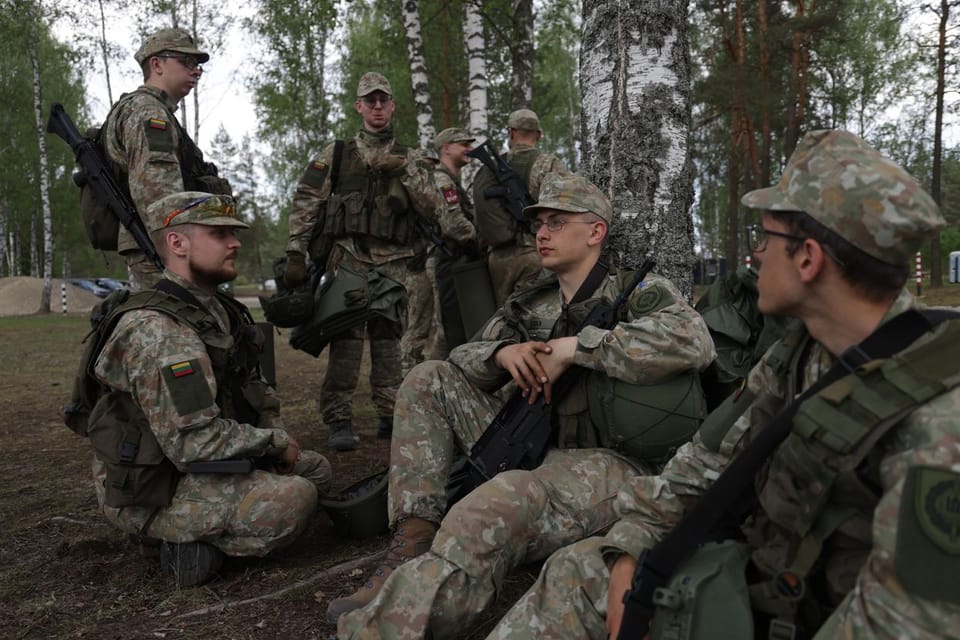
Russia has made its move in the Baltic, reinforcing its Kaliningrad enclave with advanced missile systems. Moscow claims these deployments are in response to NATO’s increased presence in Eastern Europe, but they’ve raised the stakes in the region. NATO’s military readiness is being tested, and with Russia’s recent actions, the chances of an inadvertent escalation remain high. This move is emblematic of Russia’s broader strategy of securing its borders in a world where alliances and adversaries are shifting with dizzying speed.
4. The UK and US Strengthen Their Defence Ties
In response to the growing global security threats, the UK and the US have entered into an expanded defence partnership. This new agreement focuses on AI-driven warfare, hypersonic missile defence, and closer collaboration in the intelligence-sharing domain. As global tensions simmer, this strategic alignment makes clear that the West is preparing to face a future shaped as much by emerging technology as by conventional force.
5. Middle Eastern Tensions: Israel Strikes Syria
The ongoing Israeli-Iranian conflict reached a new chapter this month when Israeli airstrikes targeted suspected Iranian military positions in Syria. These strikes are part of Israel’s broader strategy to curb Iran’s growing influence in the region. The broader implication of this action is the possibility of a regional conflagration. As proxy wars and military posturing intensify, both Israel and Iran are playing a dangerous game of brinkmanship, with international observers keeping their fingers crossed that things don’t spiral into open conflict.
6. Germany’s Defence Budget Boost
Germany has confirmed it will significantly increase its defence spending to meet NATO’s 2% GDP target. This decision reflects not only Germany’s growing recognition of the shifting security environment but also its desire to bolster its role in NATO. Given the ongoing uncertainty surrounding Russia and the increased focus on European security, this move highlights the reality that Europe can no longer rely solely on the US for its defence needs.
How These Events Connect (or Don’t)
The common thread throughout March’s events is the rising role of cyber capabilities in geopolitical and defence matters. From the Signalgate scandal to the growing digital footprints of adversaries in the South China Sea and Eastern Europe, it’s clear that cyber warfare is no longer a niche concern but a core component of modern conflict. While traditional military posturing and alliances remain in play—whether it’s Russia’s missile deployments or Israel’s airstrikes—the rapid escalation of cyber threats adds a new layer of complexity to these old conflicts. In fact, the connections between these events may be less direct than we’d like to think. However, the shift towards cyber capabilities and AI-enhanced warfare points to a future where no aspect of defence will be left untouched by technology.

Meanwhile, as the US and UK solidify their defence partnership, it’s important to note that European powers, like Germany, are beginning to take more responsibility for their own defence. This increasing autonomy from the US, although a positive sign for NATO’s cohesion, may also present a challenge as different countries align their strategic priorities.
Predictions for the Month Ahead
- The Fallout from Signalgate
Expect an ongoing investigation into the cyber breach, with diplomatic fallout from affected nations likely to play out in the coming weeks. New cybersecurity protocols will almost certainly be put in place, with governments more actively pursuing cyber deterrence measures.
- China’s Continued Expansion in the South China Sea
As we move into April, China’s maritime activities will continue to draw scrutiny. Expect a spike in confrontations between Chinese vessels and those of ASEAN countries, with the US and its allies stepping up naval patrols in contested waters.
- An Escalating Arms Race in Eastern Europe
Russia’s military build-up in the Baltic will likely be met with increased NATO exercises and possibly new deployments of Western forces to Eastern Europe. NATO’s resolve will be tested, but the alliance is likely to remain firm in its posture.
- Middle Eastern Tensions on the Rise
With Israel’s strikes on Syria, it’s likely that Iran will continue to support its proxies in the region. The coming month could see an uptick in asymmetric warfare between Israel and Iran, with possible retaliation from Tehran in the form of cyberattacks or attacks on Israeli assets abroad.
- Further Defence Spending in Europe
The trend of increased defence spending will likely continue across Europe. Germany will not be the only nation ramping up military budgets. Expect other European powers to follow suit as they balance their internal political pressures with the need to meet NATO’s expectations.
Fun Fact of the Month
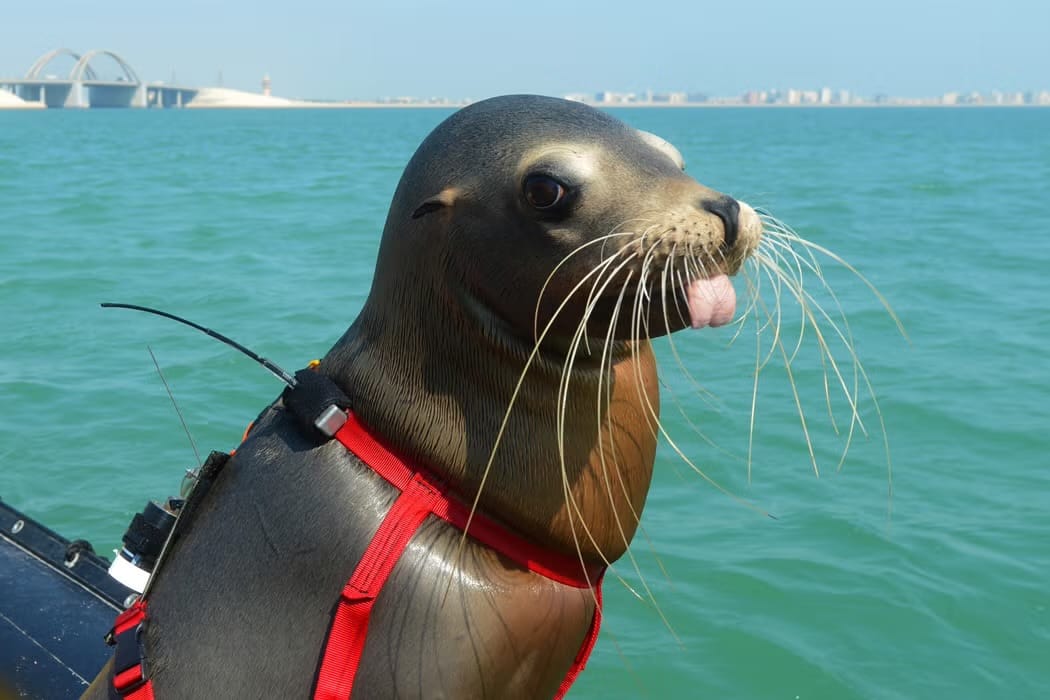
In an unusual twist of military strategy, the Royal Navy has been quietly revisiting an old Cold War project—training sea lions for underwater surveillance. While it may sound like the plot of a spy novel, both the US and Soviet Union once had highly classified programmes involving marine mammals. It appears that Britain, not one to be left behind, is considering bringing back these “oceanic operatives” to bolster its naval capabilities. A reminder, perhaps, that sometimes the old tricks still have a role to play.
The world remains as turbulent as ever, and as always, there’s no shortage of drama on the geopolitical stage. With the month of April fast approaching, we can only hope that the next series of events proves as riveting—without quite as many risks. Until then, stay informed, stay vigilant, and keep your wits about you.
End of Report