
No Sanctuary: How Operation Spider Web Redrew the Map of Strategic Vulnerability
An Ambient Stratagem Special Report - 1st June 2025
The Homeland is Now the Battlefield
For decades, strategic deterrence rested on a simple belief: distance buys safety. Rear-area assets, long-range bombers, early-warning aircraft and command infrastructure were protected not just by concrete and air defence, but by geography. That belief is now obsolete.
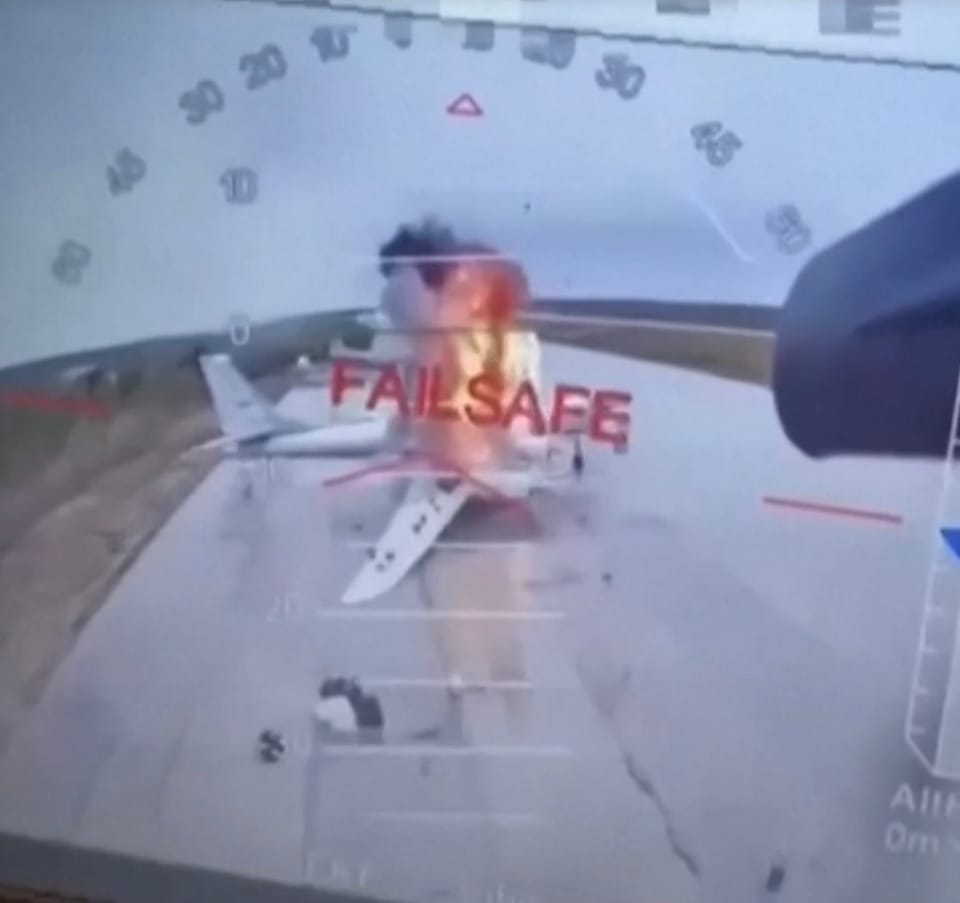
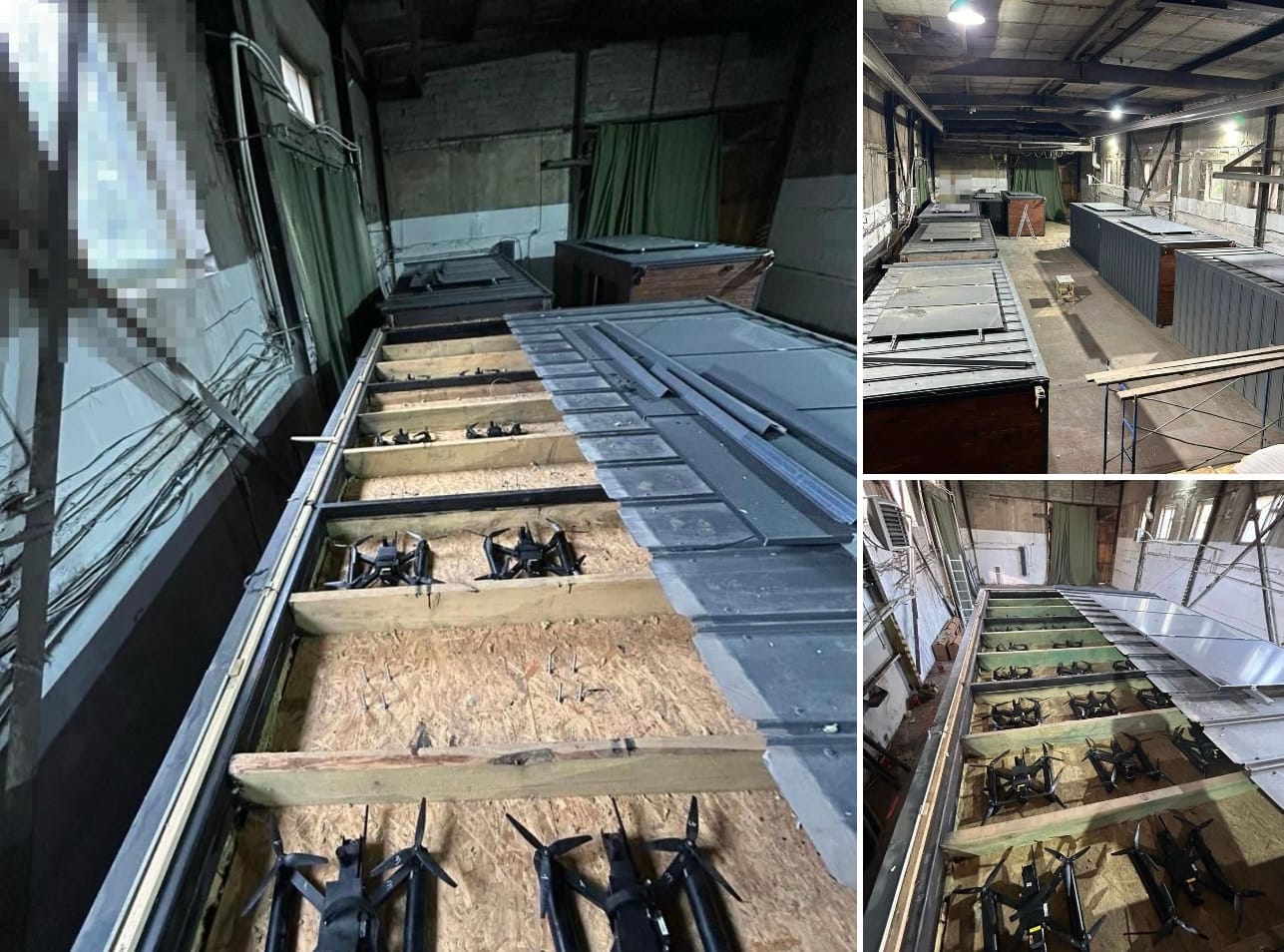
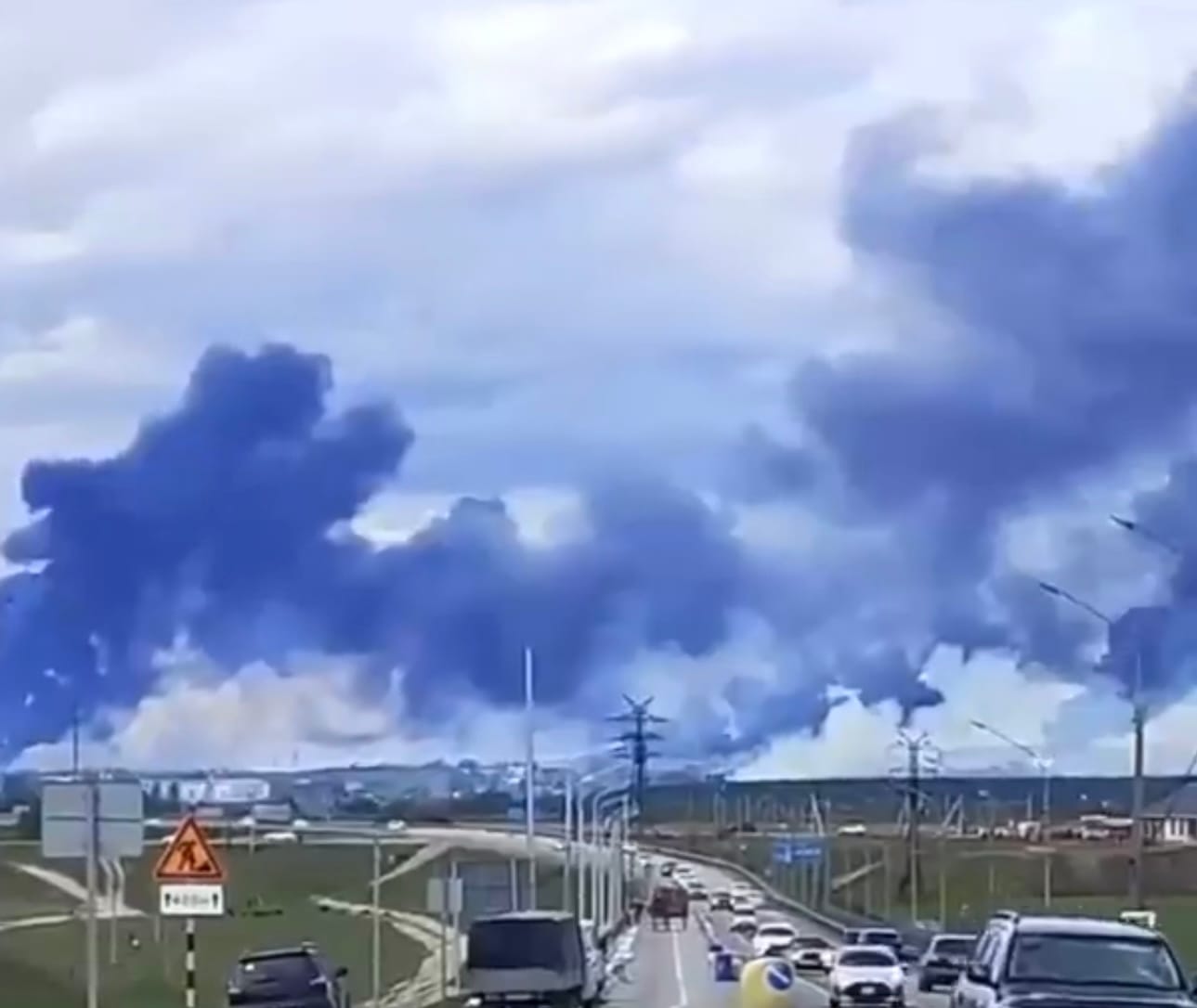
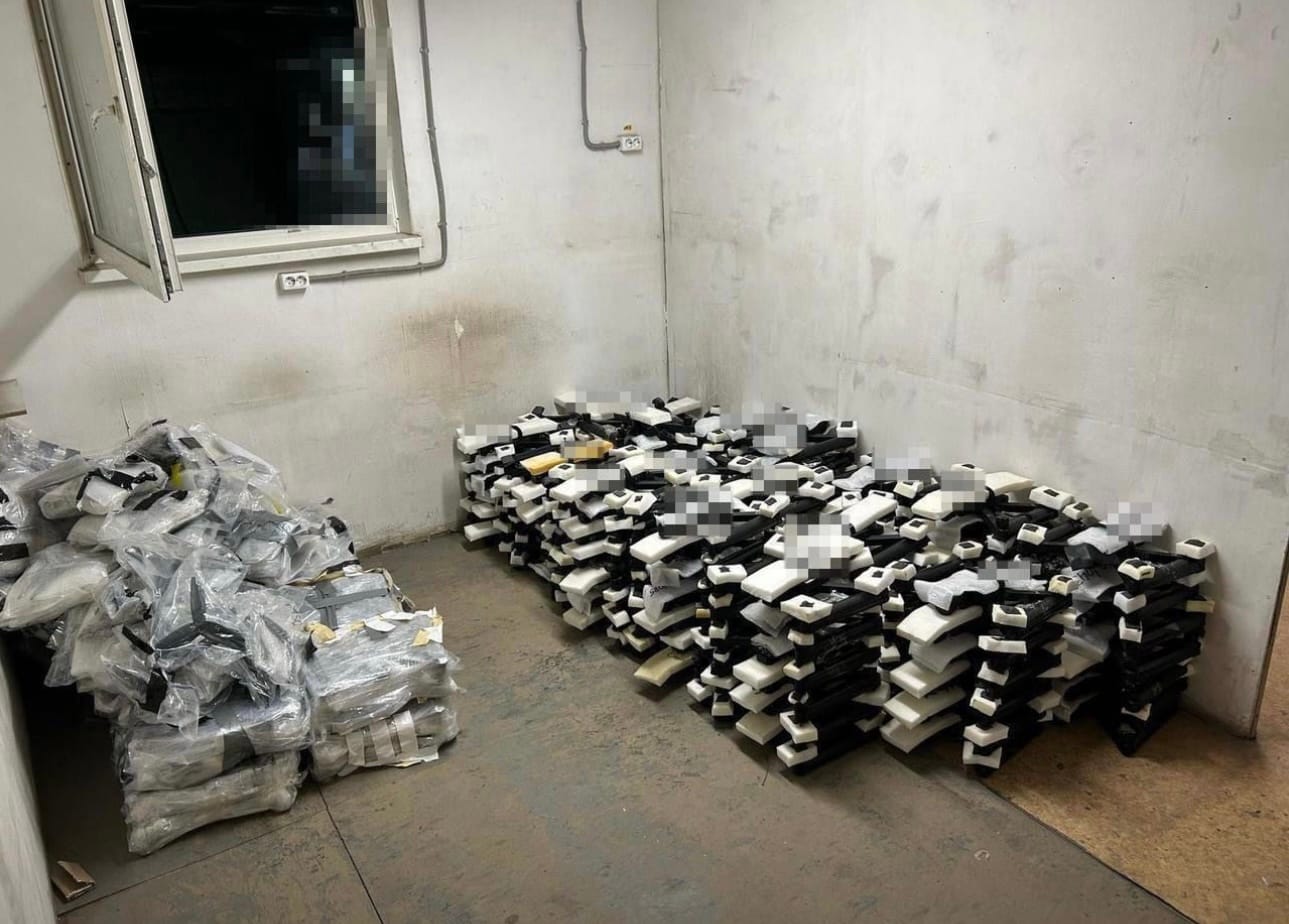
On 31 May 2025, Ukraine launched Operation Spider Web, a long-prepared, precisely timed drone assault targeting the heart of Russia’s strategic bomber force. The strike didn’t come from missiles or mass formations. It came from inside the wire. Drones smuggled in over months. Assets hidden in plain sight. A doctrine that no longer plays by the old rules.
This isn’t escalation. It’s evolution.
Strike Without Crossing the Border
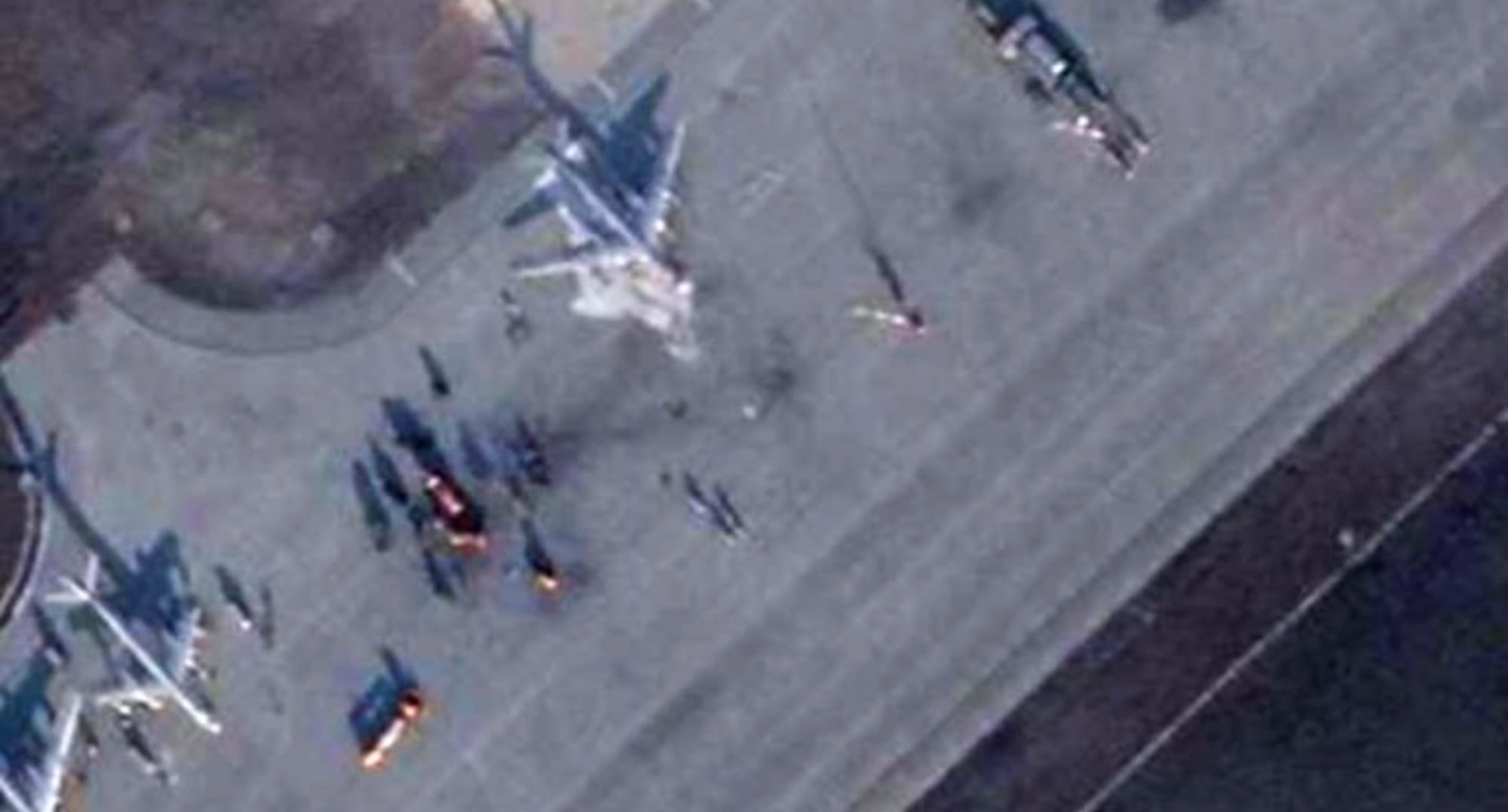
Ukraine’s operation destroyed or disabled over 40 aircraft, including nuclear-capable Tu-95s, Tu-22M3s and A-50 airborne early-warning systems. But the true impact wasn’t counted in wreckage. It was measured in psychological effect: the shattering of perceived invulnerability inside Russian territory.
No border was crossed by a combatant. No launch plume tracked from abroad. The drones were already there. Hidden. Quiet. Waiting. This was not a violation of perimeter, it was an indictment of perimeter thinking.
The assumption that deep assets are safe by default no longer holds. Strategic range is now measured not in kilometres but in access pathways. Social, digital and physical.
From Defence in Depth to Defence in Denial

Operation Spider Web exposes a deeper fracture in modern doctrine: rear-area sanctity has no doctrinal answer to internal-origin logic.
Traditional layered defences presume external trajectories, kinetic thresholds and airspace control. None of these apply when the threat is hand-assembled, distributed and embedded inside domestic systems.
Russia’s layered air defence, the most extensive in the world, was irrelevant against this mode of attack. Not because it failed to react but because it was designed for a different war.
This is the contest of interior contestation, where national territory becomes the most vulnerable surface of all.
Precision Meets Narrative Timing
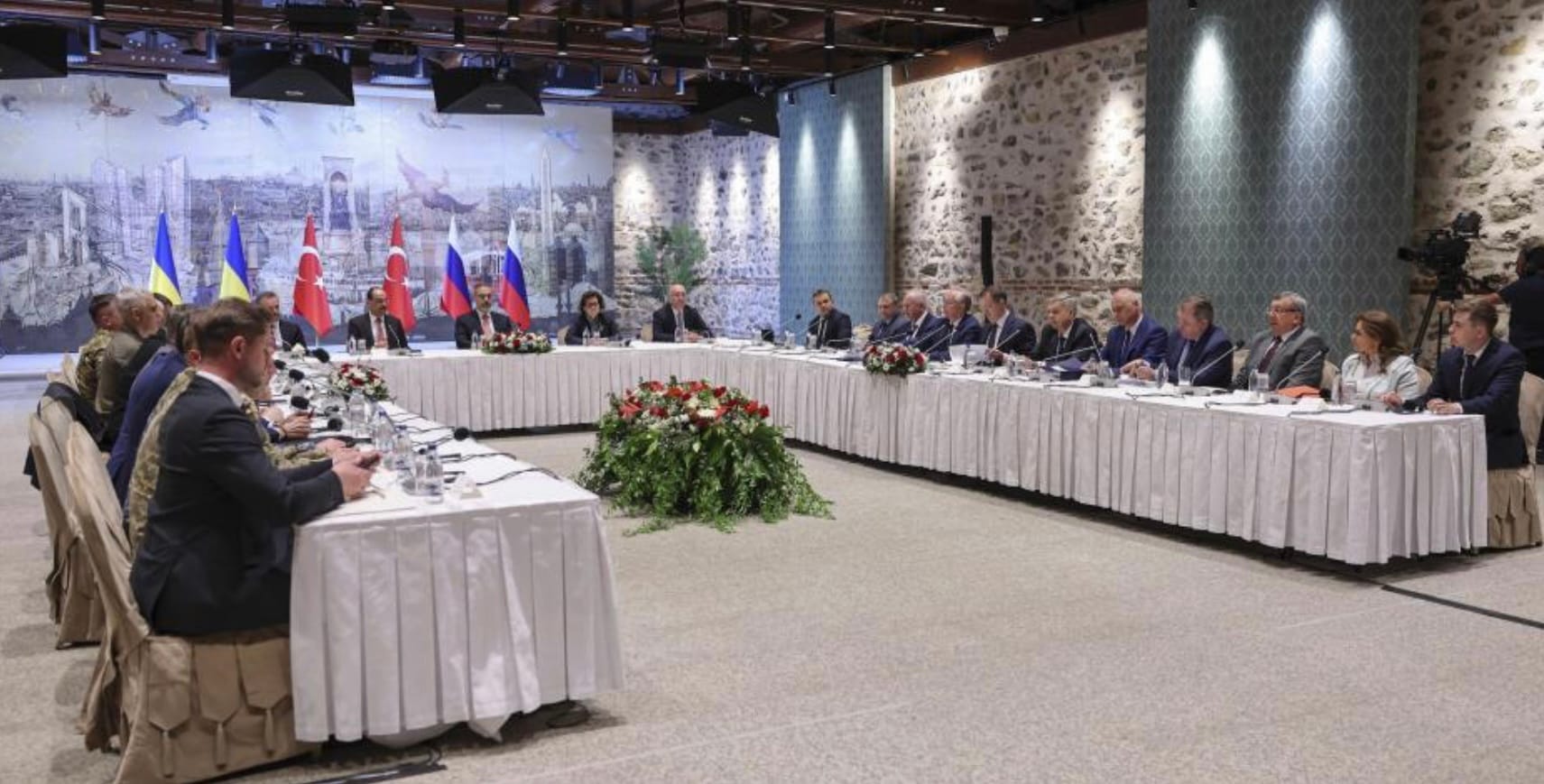
The strike was not just physical. It was performed. Timed to coincide with international peace talks in Istanbul. Operation Spider Web was theatre with teeth. Ukraine didn’t just demonstrate capability, it broadcast it.
Strategic signalling is now multichannel. Effects are synchronised across physical platforms, information spaces and diplomatic calendars. This is warfare as narrative assertion, not just attrition.
The message: Russia cannot protect its own sky.
This form of warfare doesn’t aim to decimate, it aims to destabilise, to make decision-makers hesitate, make citizens doubt, make the map feel smaller, more penetrable, more volatile.
Rear Areas Are the New Front Line
The most dangerous terrain in future conflict may not be contested borderlands, it may be the systems and assumptions inside your own sovereign space.
Ukraine didn’t invent this principle.
It simply exposed the lag in adversary adaptation. Their drones weren’t just cheap, they were precise. They didn’t just attack, they bypassed. This is effect-first warfare, designed not to mirror the enemy but to exploit their blind spots.
What begins as an outlier becomes a doctrine. What succeeds without retaliation becomes the new normal.
Call to Action: Build for the Breach
Western defence architectures, strategic, industrial and informational, must now assume breach. We must design systems that expect internal-origin threats, integrate counter-infiltration logic and close the gap between peacetime posture and wartime survivability.
This means:
- Designing for denial, not just defence. Embedding deception, dispersion and redundancy into the strategic layer.
- Hardening the logic layer. Treating internal systems as contested by default, not peace-assumed.
- Restoring narrative agility. Ensuring strategic communications can keep pace with kinetic timing and asymmetric shock.
- Reclassifying vulnerability—defining risk not just by proximity to enemy forces, but by invisibility to doctrine.
The next war may not start with a border breach. It may begin when your systems are turned against you from within.
Operation Spider Web wasn’t just a warning. It was a preview.