
No Human in the Loop Monthly - April 2025
Dispatches from the Algorithmic Front
April 2025 Edition
1. Introduction
April 2025 has been a month where the digital and physical realms of warfare and security have become increasingly intertwined. From AI’s deepening role in military operations to cyberattacks disrupting daily life, the lines between code and conflict continue to blur. Let’s delve into the key developments that have shaped this month.
2. Top AI, War, and Cyber Events of the Month
Russian Sabotage Campaigns Escalate Across Europe
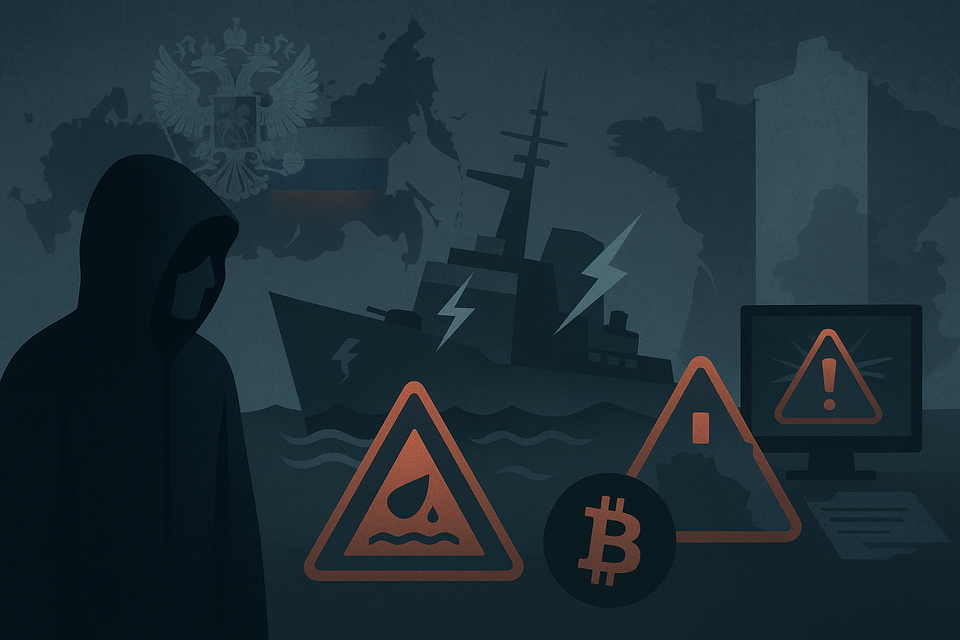
April witnessed a notable uptick in Russian hybrid warfare tactics, with a series of sabotage incidents reported across Europe. In Germany, the Military Counterintelligence Service (MAD) disclosed acts of sabotage targeting naval vessels, including the contamination of a frigate’s drinking water supply and the deliberate damage to a warship’s propulsion system. These incidents are believed to be the work of “low-level agents”—individuals recruited via social media and compensated in cryptocurrency to carry out disruptive acts.
The Netherlands also reported attempted cyber sabotage attacks on critical infrastructure, attributed to Russian state-sponsored hackers. While these attempts were thwarted, Dutch intelligence agencies have expressed concern over the increasing frequency and sophistication of such operations.
Furthermore, France publicly accused Russia’s GRU military intelligence agency of orchestrating a series of cyberattacks targeting French government ministries and defense companies. This marks the first time France has officially attributed such activities to the Russian state, signaling a significant development in cyber diplomacy.
AI in Modern Warfare: Israel’s Deployment in Gaza
The Israeli Defence Forces (IDF) have intensified their use of AI technologies in the ongoing Gaza conflict. Tools like “Gospel” and “Lavender” are employed for target identification and infrastructure analysis, aiming to enhance precision in military operations. While proponents argue that these systems reduce civilian casualties, critics raise concerns about the ethical implications and potential for increased civilian harm due to over-reliance on automated decision-making .
NATO’s Acquisition of Palantir’s Maven System
In a significant move, NATO has procured Palantir Technologies’ AI-powered Maven Smart System for deployment at its military headquarters. This system consolidates data from various sources to provide a unified operational view, enhancing battlefield situational awareness. The rapid procurement underscores the alliance’s commitment to integrating advanced AI capabilities into its defense infrastructure .
Cyberattacks Target UK Retailers
The UK’s retail sector faced significant cyber threats this month. Marks & Spencer (M&S) experienced a severe cyberattack beginning over the Easter weekend, disrupting online orders and contactless payments. Shortly after, the Co-op proactively shut down parts of its IT systems following an attempted cyberattack. While both incidents are under investigation, they highlight the growing vulnerability of retail infrastructure to cyber threats .
Arrests in Global Online Exploitation Network
Law enforcement agencies have arrested Leonidas Varagiannis and Prasan Nepal, alleged leaders of the online exploitation group “764 Inferno.” The group is accused of orchestrating campaigns targeting vulnerable individuals, including children, and producing disturbing content used as currency within their network. These arrests mark a significant step in combating online exploitation and cybercrime .
Aviation Industry Faces Cybersecurity Threats
The aviation sector is grappling with escalating cybersecurity challenges. Incidents involving GPS spoofing and jamming, potentially linked to Russian military intelligence, have disrupted navigation over Eastern Europe and the Baltic. Additionally, incendiary devices disguised as packages nearly caused fires aboard DHL aircraft in Europe. These events underscore the vulnerabilities in aviation systems and the need for robust cybersecurity measures .
3. Predictions for the Month Ahead
Surge in Counter-Sabotage Activity Across Europe
Expect a noticeable uptick in covert and overt counterintelligence operations by European states. Following Germany’s disclosure of sabotage on its naval fleet and France’s unprecedented public attribution of cyberattacks to the GRU, agencies like MAD, DGSI, and MIVD will likely ramp up surveillance, infiltration, and pre-emptive disruption efforts. Don’t be surprised if several “low-level” operatives quietly vanish from Telegram before reappearing in court—or not at all.
Shift in Cybersecurity Spending—From Defensive to Proactive
The pattern of hybrid strikes—ranging from poisoned water tanks to cyberattacks on ministerial servers—will push national cybersecurity frameworks to evolve. In May, look for announcements of funding reallocations toward offensive cyber capabilities, deception operations, and AI-enabled anomaly detection platforms. The message from Berlin and Paris is clear: deterrence is no longer enough.
AI Governance Debate to Hit a Boiling Point
With the IDF’s use of autonomous targeting tools (“Lavender” and “Gospel”) drawing scrutiny, pressure will mount on the UN, EU, and NGOs to accelerate frameworks around meaningful human control in war. May is likely to bring another round of sharply divided statements—particularly as NATO’s Palantir deployment draws attention from civil liberties groups. The irony, of course, is that while the West argues over accountability, adversaries are doubling down on automation with zero intention of human restraint.
Increased Military-Civil Fusion Drills
In light of Russian sabotage campaigns bleeding into civilian sectors—retail, aviation, and logistics—expect to see more joint military-civil exercises in the coming month. Particularly in Scandinavia and the Baltics, governments will use wargames and simulations to test public resilience, private sector coordination, and blackout contingencies. If April was the warning shot, May may be the first full-dress rehearsal.
A ‘Grey Zone’ Arms Race Begins in Earnest
The subtle nature of recent sabotage—small-scale, deniable, digitally coordinated—signals a shift toward what military theorists call “persistent engagement” in the grey zone. Western democracies will start adapting to this logic, investing not just in tanks and jets, but in disruption teams, digital HUMINT, and AI that can read the intention behind a pattern before the act occurs. The Cold War was about stockpiles; the Grey War is about signatures.
4. Fun Fact of the Month

AI Nostradamus: The Digital Seer of 2025
In an intriguing blend of technology and prophecy, an AI model dubbed “AI Nostradamus” has been making headlines with its predictions for 2025. Among its forecasts are the rise of cyber warfare, a potential cure for a deadly disease, and internal unrest in Russia leading to the emergence of a successor to President Putin. While the accuracy of these predictions remains to be seen, the concept of an AI-powered oracle offers a fascinating glimpse into the intersection of artificial intelligence and futurism.
Dispatch Ends