
No Human in the Loop - 4th April 2025
Dispatches from the Algorithmic Front
Introduction
Welcome back to No Human in the Loop, where we keep our eyes on the wires, the satellites, and the smoke rising from the algorithmic front. This week, the great powers traded procurement plans like football stickers, drone swarms gained intelligence faster than some cabinet ministers, and cybercriminals reminded us—once again—that the weakest link in any security system is almost always human (ironic, really).
If you were hoping for a quiet week in the world of AI, war, and cyber affairs, I’ve got bad news and worse news. Let’s dive in.
Top AI, War, and Cyber Events of the Week
- Greece’s €25 Billion Defence Modernisation Plan
Greece has unveiled a €25 billion plan to modernise its armed forces over the next decade. Central to this initiative is the “Achilles Shield,” an advanced air defence system designed to address regional tensions, particularly with Turkey. The strategy emphasises a shift towards high-tech, networked warfare, incorporating AI-powered missile systems, drone technologies, and enhanced command units. - U.S. Military Awards $45 Million Contract for AI Chip Integration
Cerebras Systems and Canadian startup Ranovus have secured a $45 million contract from the U.S. Department of Defense. The collaboration aims to integrate Cerebras’s AI chips with Ranovus’s light-based networking technology, enhancing data transfer speeds and contributing to the development of real-time battlefield simulation systems. - Sweden Accelerates Development of Drone Swarms
In response to lessons learned from the conflict in Ukraine, Sweden is fast-tracking the development of AI-driven drone swarms. These drones are designed to operate collaboratively in real-time for surveillance and attack missions, providing a tactical advantage on the modern battlefield. The initiative underscores the growing importance of autonomous systems in contemporary military strategy. - Australian Superannuation Funds Hit by Cyberattack
Several Australian superannuation funds, including AustralianSuper, fell victim to a cyberattack resulting in the theft of $500,000 from four members and the compromise of personal data for thousands more. The breach involved credential stuffing, highlighting the critical need for robust cybersecurity measures in protecting financial assets. - AI-Driven Cyberattacks Becoming More Sophisticated
A recent report indicates a sharp rise in attacks targeting non-human identities, such as service accounts and APIs. With an expected increase to over 45 billion non-human identities by 2025, the report underscores the urgency for enhanced security measures to protect against AI-driven cyber threats. - Tech Startups Transforming Defence with Silicon Valley Ethos
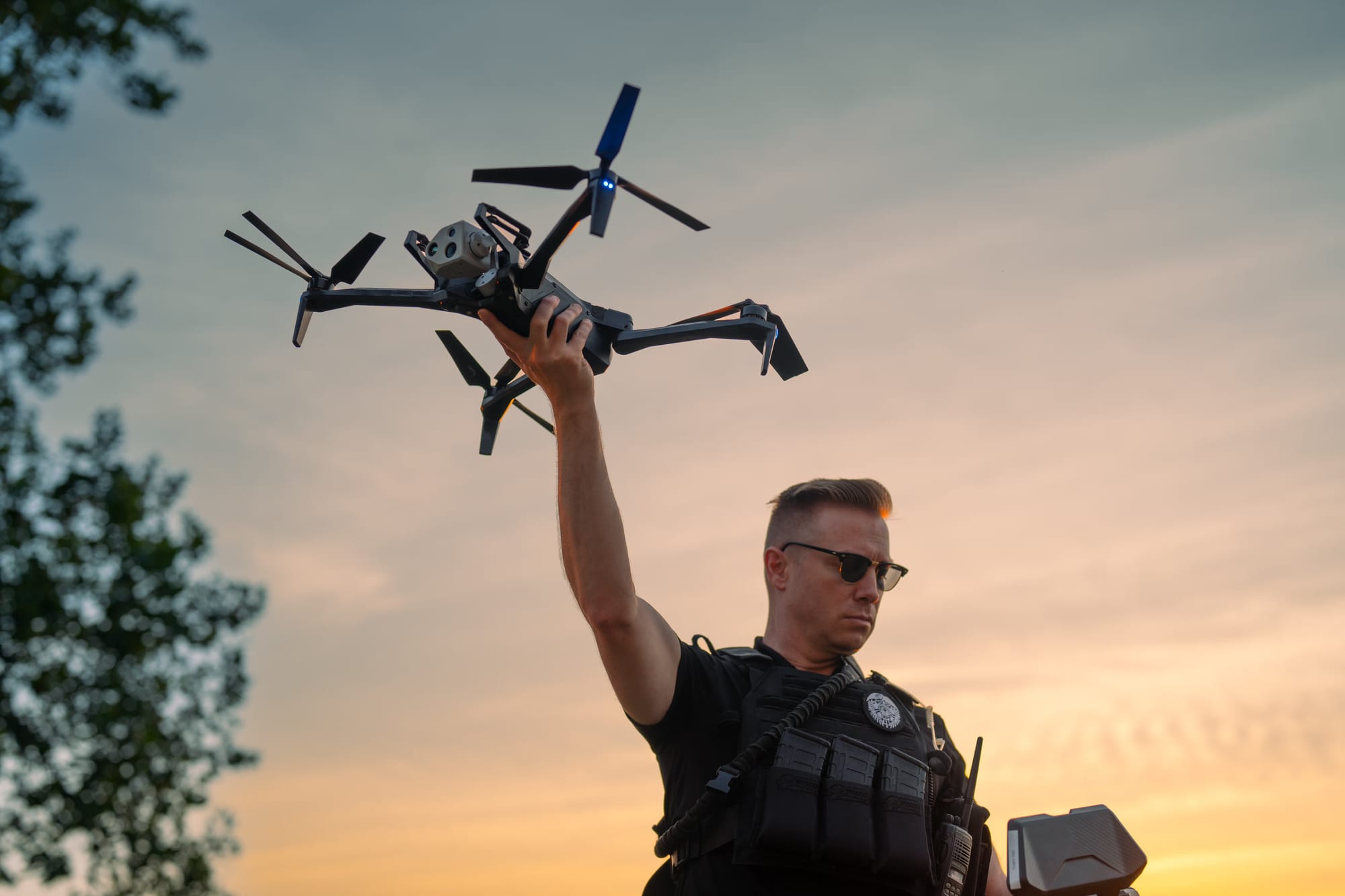
Companies like Skydio are redefining defence technology by integrating Silicon Valley’s rapid innovation culture. Skydio’s autonomous drones, capable of executing missions without GPS, exemplify the shift towards software-defined systems in military operations. This trend reflects a broader movement towards agile, technology-driven defence solutions.
How These Events Connect (or Don’t)
The convergence of AI and military strategy is unmistakable. Greece’s defence modernisation, Sweden’s drone swarm development, and the U.S. military’s investment in AI chip integration all point towards a future where autonomous systems and advanced technologies are central to national defence. Conversely, the cyberattack on Australian superannuation funds serves as a stark reminder that as we integrate more technology into our critical infrastructures, the attack surfaces expand, necessitating robust cybersecurity measures. The rise of tech startups like Skydio indicates a shift in defence innovation, where agility and rapid development cycles challenge traditional military procurement processes.
Predictions for the Month Ahead
- Increased Investment in AI Defence Technologies: Nations will likely accelerate funding and development of AI-driven military systems, aiming to gain strategic advantages in both offensive and defensive operations.
- Enhanced Focus on Cybersecurity for Financial Institutions: Following the Australian superannuation breach, financial entities worldwide may bolster their cybersecurity frameworks to protect against sophisticated cyber threats targeting non-human identities.
- Regulatory Scrutiny on Autonomous Weapons: As AI-driven drones and autonomous weapons systems become more prevalent, expect increased international discourse and potential regulatory measures addressing the ethical and legal implications of such technologies.
Fun Fact of the Week

Did you know that the U.S. Navy is increasingly focusing on integrating unmanned systems, including robots and drones, into its operations? Rear Admiral Milton Sands emphasised the importance of “embracing the robots” for future combat scenarios, highlighting a shift towards machine-on-machine engagements.
Dispatch Ends