
No Human in the Loop – 29th March 2025

Dispatches from the Algorithmic Front
Introduction
Greetings, dear reader.
As we navigate the ever-evolving landscape of artificial intelligence, warfare, and cyber affairs, this week has presented us with a veritable smorgasbord of developments. From cyber skirmishes reminiscent of Cold War espionage to AI’s growing influence in conflict zones, the digital theatre remains as dynamic as ever. Let’s delve into the week’s most pivotal events, shall we?
Top AI, War, and Cyber Events of the Week
1. Ukrainian Drones Target Russian Infrastructure
On 22nd March, Ukrainian drones reportedly struck the Promsintez explosives factory in Chapayevsk, Samara Oblast. While Russian officials downplayed the incident, citing no significant damage or casualties, footage circulating on Telegram suggests otherwise, depicting explosions at the facility. The factory is a known site for manufacturing ammunition and military-grade explosives—making it a high-value target in Ukraine’s ongoing drone campaign.
2. Cyberattack on Ukrainian Railways
Just a day later, on 23rd March, Ukrainian Railways suffered a large-scale cyberattack. Though official sources have remained tight-lipped on the extent of the damage, the attack follows a growing trend of targeting critical logistics infrastructure. In a modern theatre of war, it’s no longer just about tanks and trenches—control the trains, and you control the tempo of troop and supply movements.
3. Iranian Cyber Activities Intensify
Iran appears to have had a busy March in the digital shadows. The hacktivist group LabDookhtegan claimed it had disrupted satellite communications for 116 Iranian oil tankers and rigs—an impressive feat if validated. Meanwhile, a separate group, Codebreakers, released massive archives from Bank Sepah, stretching back a century. These attacks are not just about financial disruption; they’re a slow, strategic erosion of confidence in national infrastructure.
4. ICCWS 2025: The Digital War Room Goes Academic
On 28–29 March, the 20th International Conference on Cyber Warfare and Security (ICCWS) convened in Williamsburg, Virginia. What might sound like a university get-together was, in fact, a high-level strategic forum drawing academics, policymakers, and military professionals. Key themes included AI’s battlefield integration, the grey zone of attribution in cyber warfare, and the pressing question of legal accountability in autonomous operations.
How These Events Connect (or Don’t)
At first glance, these events might seem like digital noise from disconnected fronts. But look closer and a pattern emerges: the convergence of physical and cyber conflict. Ukraine’s drone strikes and the cyberattack on its railway network may well be part of a tit-for-tat escalation—an increasingly common motif in hybrid warfare.
Meanwhile, Iran’s cyber woes and the targeting of its oil infrastructure underscore how economic assets are becoming front lines in themselves. And the ICCWS serves as a mirror to this chaos, where experts gather to make sense of—and perhaps quietly influence—what’s happening on the ground and in the cloud.
These developments may seem disparate, but they all point to one undeniable truth: modern conflict is no longer constrained by geography or even by humans in the loop.
Predictions for the Month Ahead
Expect April to bring further intensification in cyber operations, particularly targeting infrastructure with strategic value—energy, logistics, finance. As the spring thaw in Ukraine enables more conventional manoeuvres, we’re likely to see kinetic and digital strategies play off one another in increasingly choreographed ways.
AI will continue its quiet integration into battlefield command and decision-making systems, especially among NATO allies preparing for potential Russian escalation. We may also see a growing call for international legal frameworks to govern the use of autonomous systems—though, as ever, the lawyers will arrive after the war has begun.
Fun Fact of the Week
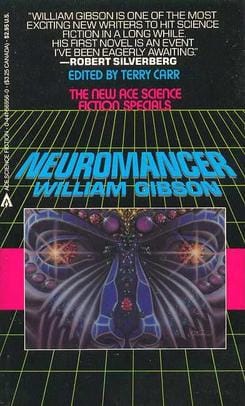
Did you know? The term “cyberspace” was coined by science fiction author William Gibson in his 1984 novel Neuromancer. What he described as a “consensual hallucination experienced daily by billions” now serves as the operational domain for militaries worldwide. One imagines he didn’t quite anticipate cyber warfare doctrine as a literary legacy.
Dispatch Ends