
No Human in the Loop - 12th April 2025
Dispatches from the Algorithmic Front
5th April - 11th April 2025
Introduction
This week, the algorithmic front has been anything but quiet. From clandestine admissions of cyberattacks to the rapid deployment of AI in defence and security, the landscape of AI, war, and cyber affairs continues to evolve at a staggering pace. As we delve into the events of the past seven days, it’s clear that the lines between digital and physical battlegrounds are increasingly blurred.
Top AI, War, and Cyber Events of the Week
1. China Admits to Cyberattacks on U.S. Infrastructure
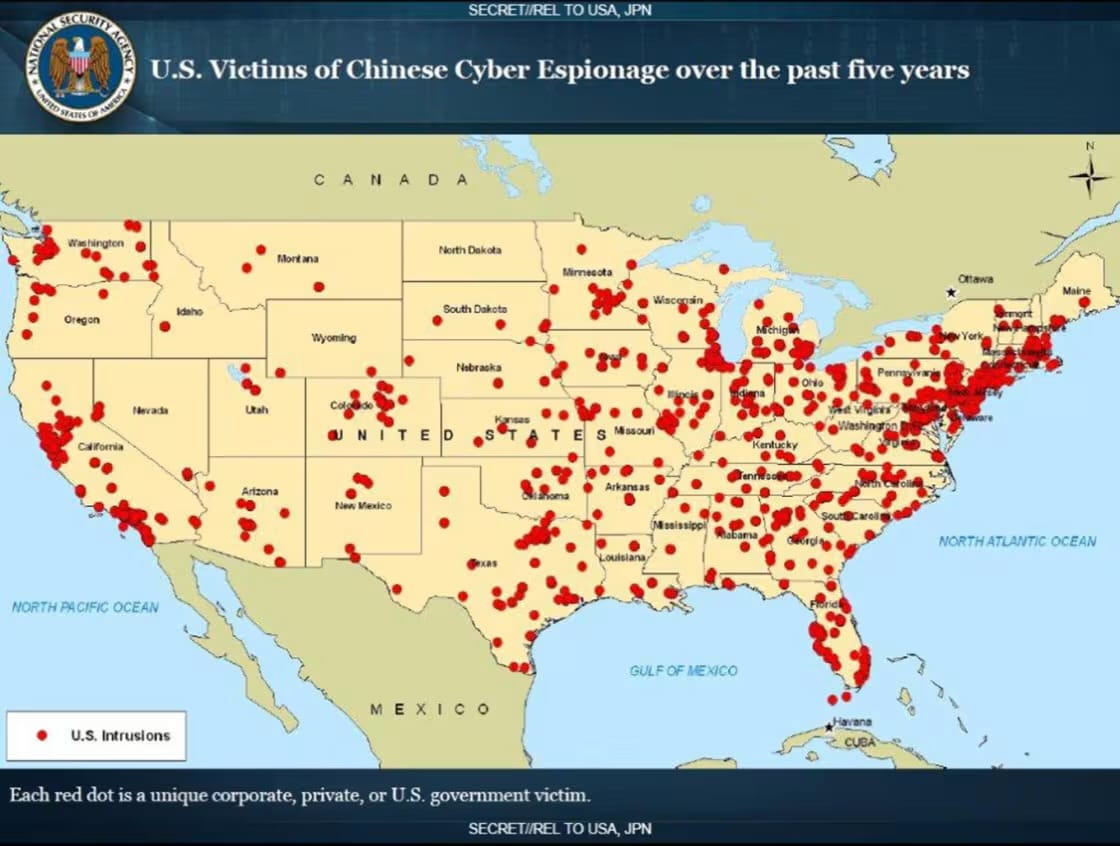
In a confidential meeting held in December 2024, Chinese officials acknowledged their role in a series of cyberattacks targeting U.S. civilian infrastructure, including ports, water systems, and airports. These attacks, linked to the Volt Typhoon operation, were described as retaliatory measures against U.S. support for Taiwan. This marks a significant shift from China’s previous denials and raises concerns about the potential for cyber operations to escalate geopolitical tensions.
2. AI Could Have Prevented Australian Superannuation Breach
A cyberattack on Australian superannuation funds exploited outdated security measures, resulting in the theft of $750,000 from ten AustralianSuper members. The breach, facilitated by credential stuffing, highlighted the lack of multifactor authentication (MFA) despite prior warnings. In response, one fund rapidly deployed Cequence Security’s AI-powered defence platform, which experts believe could have mitigated or prevented the breach if implemented earlier.
3. UK Government Updates Cybersecurity Code Amid Rising Threats
The UK government has revised its cybersecurity guidance, urging company directors to take greater responsibility for cyber risks. The updated code of practice emphasises board-level awareness and accountability, providing digital training modules to bolster cyber resilience. This move comes in response to increasing threats from criminal gangs and frequent cyberattacks by pro-Russian and pro-Palestinian hackers.
4. Palo Alto Networks Eyes Acquisition of AI Cybersecurity Startup ProtectAI
Palo Alto Networks is reportedly considering the acquisition of Seattle-based AI cybersecurity startup ProtectAI for approximately $650 million to $700 million. This potential deal would be Palo Alto’s largest acquisition since 2020 and signifies its commitment to leading in emerging AI security markets. The acquisition aims to enhance Palo Alto’s capabilities in addressing AI model and application layer security challenges.
5. Google Unveils AI Advancements at Cloud Next 2025
At the Google Cloud Next 2025 event, significant AI and cloud technology advancements were showcased. Highlights included the unveiling of the seventh-generation Tensor Processing Unit (TPU), Ironwood, capable of 42.5 exaflops compute power, and the introduction of the Gemini 2.5 AI platform. Additionally, Google launched Agentspace, an Agent Development Kit, and multi-agent capabilities, emphasizing the role of AI agents in efficient task automation and collaboration.
How These Events Connect (or Don’t)
The convergence of AI and cybersecurity is evident across these developments. China’s admission of cyberattacks underscores the geopolitical implications of cyber operations, while the Australian superannuation breach highlights the critical need for AI-integrated security measures. The UK’s updated cybersecurity code reflects a growing recognition of cyber threats at the national level. Meanwhile, corporate moves by Palo Alto Networks and technological advancements from Google demonstrate the private sector’s pivotal role in shaping the future of AI and cybersecurity.
Predictions for the Month Ahead
- Escalation in Cyber Diplomacy: Following China’s admission, expect increased diplomatic engagements focused on establishing cyber norms and preventing escalations.
- Acceleration of AI Security Implementations: Organizations will likely expedite the adoption of AI-driven security solutions to preempt potential breaches.
- Regulatory Developments: Governments may introduce stricter regulations mandating AI integration in cybersecurity frameworks, emphasizing accountability at the board level.
- Consolidation in Cybersecurity Industry: Anticipate further mergers and acquisitions as companies seek to bolster their AI capabilities and market positions.
Fun Fact of the Week
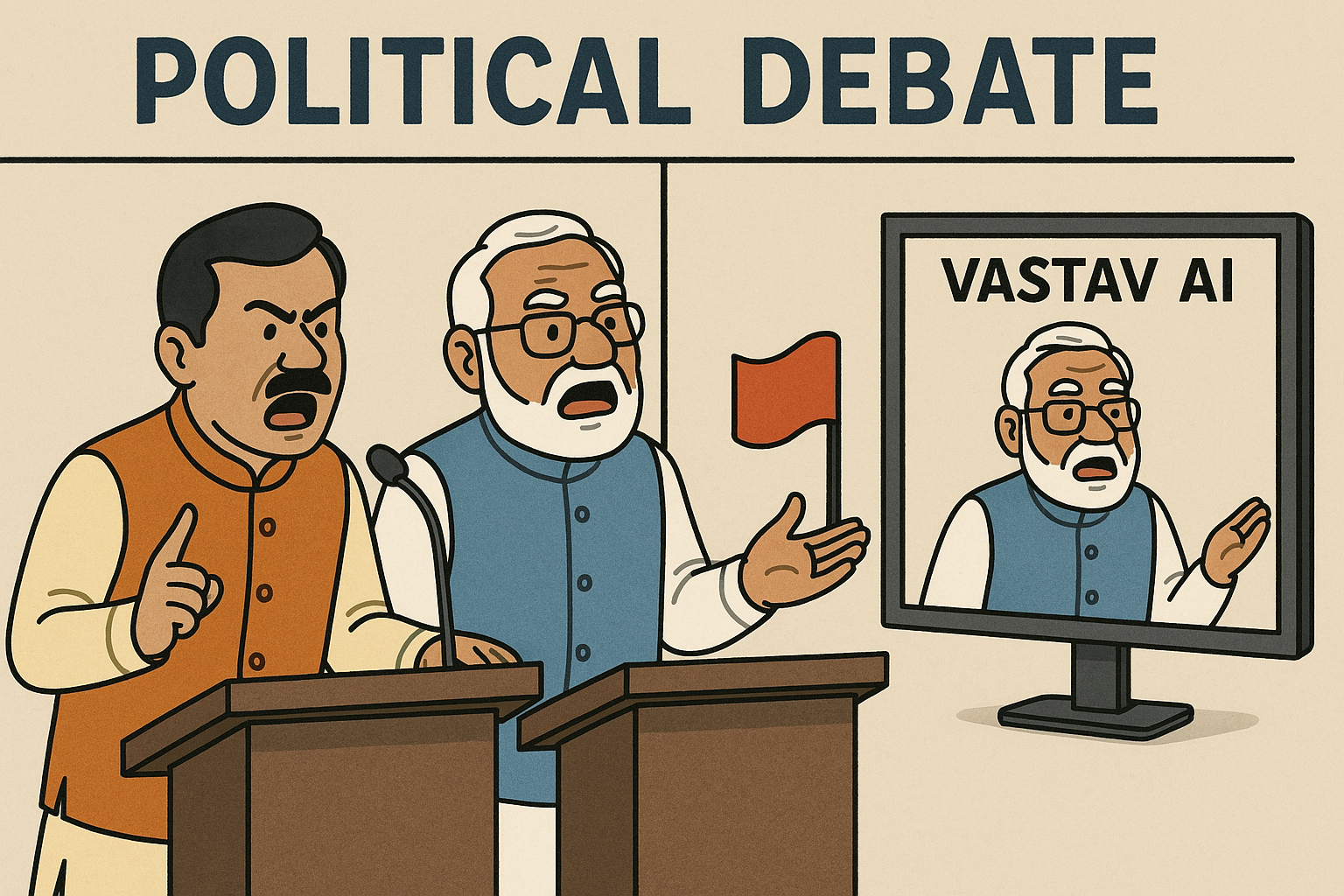
India has just rolled out Vastav AI, its first national deepfake detection system—boasting a 99% accuracy rate and a mission to safeguard the truth. Developed by Zero Defend Security, it’s already being deployed by law enforcement and media outfits to weed out fakes faster than a cricket fan switching allegiances mid-series.
Early tests reportedly included feeding it doctored videos of politicians claiming to have fixed the power grid, paid taxes on time, or—perhaps most outlandish of all—kept their campaign promises. Vastav flagged them all in under three seconds.
At this rate, the next political debate might require a side-by-side feed: one with the candidates speaking, and one with Vastav gently raising a red flag every time someone’s trousers metaphorically catch fire.
Dispatch Ends